Introduction to Kyber-Swap
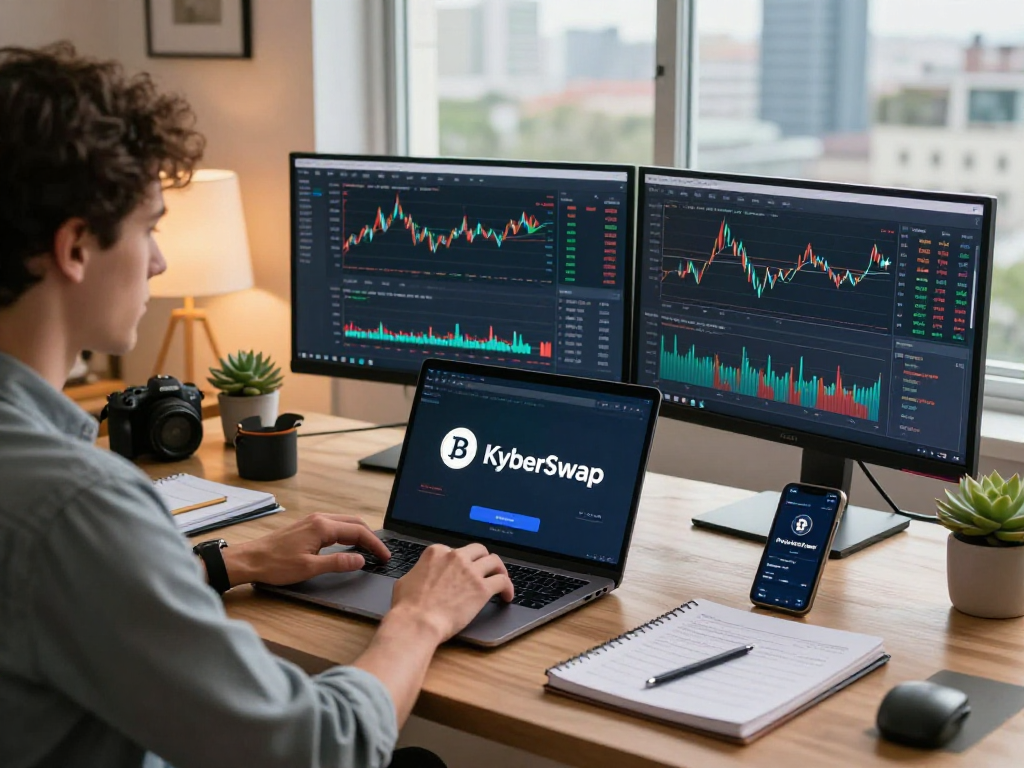
In the ever-evolving landscape of decentralized finance (DeFi), Kyber-Swap emerges as a pivotal player, offering users a seamless platform for token swapping and liquidity provision without the constraints typically associated with centralized exchanges. This platform is not just another decentralized exchange; it combines the sophisticated functionality of a liquidity aggregator and a decentralized exchange, allowing traders to optimize their transactions across various blockchain networks. As we explore the intricacies of Kyber-Swap, we uncover its robust features, benefits, and the underlying principles that drive its design, all while aligning with the essence of DeFi—empowering users through autonomy, accessibility, and efficiency. When exploring options, kyber-swap provides comprehensive insights into decentralized trading.
What is Kyber-Swap?
Kyber-Swap is a decentralized, non-custodial cryptocurrency exchange and liquidity aggregator developed by Kyber Network. It allows users to swap digital assets at the best available market rates across multiple blockchain networks while retaining full control of their funds. By utilizing its own liquidity pools in conjunction with an aggregation engine, Kyber-Swap aims to provide the most favorable prices for trades, minimize slippage, and reduce transaction costs. This platform is designed to cater to both ordinary traders and professional liquidity providers within a streamlined interface.
Key Features of Kyber-Swap
Kyber-Swap boasts a variety of features that enhance the trading experience, including:
- Best-Rate Aggregation: The aggregation engine sources liquidity from various pools and exchanges to ensure optimal pricing for trades.
- Non-Custodial Trading: Users maintain control of their assets throughout the trading process, eliminating the risks associated with centralized exchanges.
- Cross-Chain Swaps: Kyber-Swap enables users to trade assets across different blockchain networks seamlessly.
- Dynamic Market Maker Model: Allows for more efficient use of capital by adjusting trading parameters based on market conditions.
- Limit Orders: Users can set specific prices for trades, providing greater control over their transactions.
The Benefits of Using Kyber-Swap
Utilizing Kyber-Swap brings numerous benefits to traders and liquidity providers alike:
- Enhanced Liquidity: The aggregated liquidity across multiple pools ensures users can execute trades efficiently without significant price impact.
- Reduced Slippage: By leveraging its advanced routing techniques, Kyber-Swap minimizes slippage during trades.
- Security and Transparency: The platform operates on audited smart contracts, ensuring the safety of user funds.
- User Sovereignty: Users maintain complete control over their assets, emphasizing the core values of decentralization.
Understanding Decentralized Finance (DeFi)
DeFi Ecosystem Overview
Decentralized finance (DeFi) is a transformative movement within the blockchain ecosystem, aiming to create a more open, inclusive, and transparent financial system. It leverages blockchain technology to recreate traditional financial systems—such as banks and exchanges—without central authorities. DeFi encompasses a range of applications, services, and protocols, providing various financial services like lending, borrowing, trading, and yield farming.
How Kyber-Swap Fits into DeFi
Kyber-Swap is a fundamental component of the DeFi landscape, acting as both a decentralized exchange and a liquidity aggregator. It allows users to swap tokens, access comprehensive liquidity sources, and maintain their financial sovereignty. Its architecture enhances market efficiency and provides competitive trading rates, fulfilling the needs of traders and liquidity providers within the broader DeFi ecosystem.
The Future of DeFi in 2026
As we look ahead to 2026, the DeFi sector is poised for significant growth and evolution. The integration of advanced technologies such as artificial intelligence and machine learning will likely enhance trading strategies and risk management solutions. Furthermore, increased regulatory clarity will foster wider adoption while preserving the core principles of decentralization. Projects like Kyber-Swap are positioned to adapt to these changes, ensuring they remain at the forefront of innovation in decentralized finance.
How to Use Kyber-Swap
Step-by-Step Trading Guide
Trading on Kyber-Swap is an intuitive process. Here’s a step-by-step guide to get started:
- Connect Your Wallet: Begin by connecting a compatible cryptocurrency wallet to the Kyber-Swap platform.
- Select Tokens: Choose the tokens you wish to swap. Specify the amount for each token.
- Review Rates and Slippage: Check the quoted rate and expected slippage before proceeding.
- Confirm the Trade: Approve the transaction in your wallet to execute the swap on-chain.
Best Practices for New Users
New users should consider the following best practices when trading on Kyber-Swap:
- Always check current market conditions and token prices before executing trades.
- Familiarize yourself with the platform’s features, including slippage tolerance and limit orders.
- Start with smaller trades to understand the process before committing larger amounts.
- Regularly monitor any changes or updates to Kyber-Swap’s features and protocols.
Managing Trade Risks Effectively
Effective risk management is vital for success in decentralized trading. Here are some strategies:
- Set Slippage Tolerance: Adjust your slippage tolerance to protect against significant price fluctuations during trade execution.
- Use Limit Orders: Take advantage of limit orders to secure desired prices for your trades.
- Diversify Investments: Avoid concentrating capital in a single asset to mitigate risk exposure.
Liquidity Provision and Earning Opportunities
Understanding Liquidity Pools
Liquidity pools are essential to the functioning of decentralized exchanges like Kyber-Swap. They consist of pairs of tokens contributed by liquidity providers, creating a pool that enables users to trade without relying on a traditional order book. Liquidity providers earn fees based on the volume of trades that occur in their pools.
Yield Farming on Kyber-Swap
Yield farming allows liquidity providers to earn additional rewards by staking their liquidity pool tokens. This practice incentivizes users to contribute to the liquidity of the platform while maximizing their potential returns. By providing liquidity, users can engage in yield farming, accruing additional tokens alongside their trading fees.
Mitigating Impermanent Loss Strategies
Impermanent loss is a potential risk that liquidity providers face, resulting from changes in the price ratios of tokens in a liquidity pool. Strategies to mitigate this risk include:
- Choosing Stable Asset Pairs: Pairs of stablecoins or assets with similar price movements can help reduce volatility.
- Monitoring Market Trends: Stay informed about market conditions that might affect token prices and liquidity pool performance.
- Utilizing Dynamic Market Maker Features: Take advantage of the dynamic fee adjustments in Kyber-Swap to optimize returns during market fluctuations.
Security and Trust in Kyber-Swap
Smart Contract Audits and Security Measures
Security is paramount in the DeFi space, and Kyber-Swap prioritizes the integrity of its smart contracts. The protocol undergoes regular audits performed by reputable security firms to identify and rectify potential vulnerabilities. This robust auditing process minimizes the risk of exploits and enhances user trust.
User Sovereignty and Control
Kyber-Swap operates under a non-custodial model, meaning users retain control of their assets at all times. This design eliminates the risks associated with centralized exchanges, where users are subject to hacks and insolvency issues. Trading occurs directly from the user's wallet, ensuring autonomy and security.
Decentralized Governance with KyberDAO
Governance within the Kyber-Swap ecosystem is managed through KyberDAO, a decentralized autonomous organization that enables KNC token holders to participate in decision-making. This model empowers users to influence the platform's future while promoting accountability and community-driven initiatives.
What is KyberSwap's Mission and Core Principles?
KyberSwap is committed to delivering open, efficient, and fair access to on-chain liquidity for everyone, guided by three core principles:
- Best Execution: KyberSwap prioritizes price quality and strives to offer the most competitive rates.
- Capital Efficiency: The platform optimizes liquidity utilization to benefit both traders and liquidity providers.
- User Sovereignty: Ensuring users maintain control of their assets throughout their trading experience.
How KyberSwap is Evolving Across Chains?
KyberSwap is designed to operate across multiple Ethereum Virtual Machine-compatible blockchains, allowing users to trade native assets on the chains that best suit their needs. This multi-chain strategy enables flexibility and efficiency, ensuring the platform remains relevant as trading activity evolves across different networks.
Frequently Asked Questions about Kyber-Swap
Here are some common questions about Kyber-Swap:
- What are the best features of Kyber-Swap? Its best-rate aggregation, non-custodial trades, cross-chain functionality, and dynamic market maker model are standout features.
- How does Kyber-Swap compare to other DEXs? Kyber-Swap combines the advantages of a decentralized exchange with those of a liquidity aggregator, setting it apart in terms of execution quality and user experience.
- What is the role of the KNC Token? KNC is integral to governance and incentives within the Kyber-Swap ecosystem, allowing holders to participate in decision-making and earn rewards.
- How do I start trading on Kyber-Swap? Connect a compatible wallet, select your tokens, check rates, and confirm your trade.
- What are the benefits of using Kyber-Swap? Users benefit from competitive rates, reduced slippage, enhanced liquidity, and security through non-custodial trading.
- How does Kyber-Swap ensure liquidity? By aggregating liquidity from multiple sources and enabling users to provide liquidity through its dynamic pools.
Conclusion
Kyber-Swap stands as a robust solution within the decentralized finance landscape, merging the functionalities of a decentralized exchange and a liquidity aggregator. With a unwavering dedication to best execution, capital efficiency, and user sovereignty, it continues to empower users in their trading endeavors. As the DeFi ecosystem matures, platforms like Kyber-Swap are key to driving innovation in user experience, security, and accessibility. By adhering to decentralized principles, Kyber-Swap not only offers a gateway to sophisticated trading and liquidity provision but also plays a vital role in the broader mission of creating a more equitable financial future.