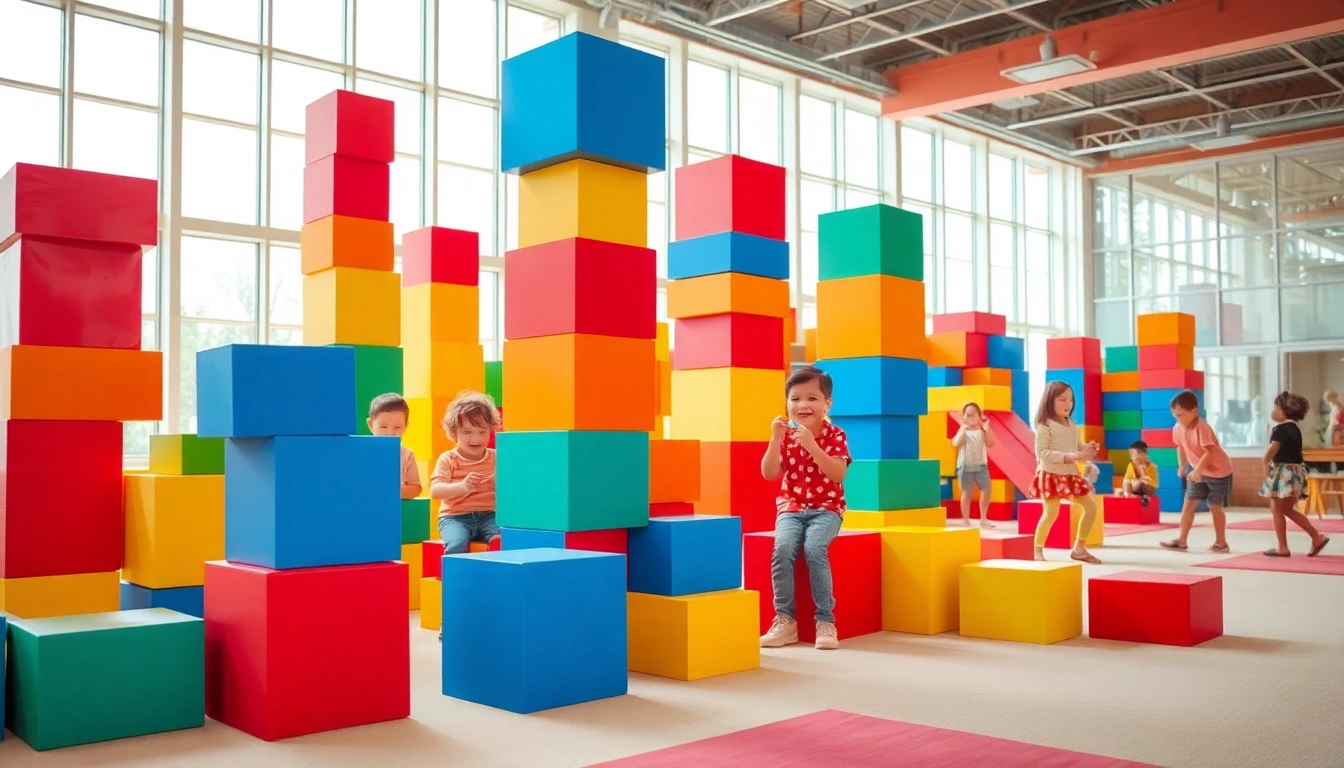
Delving Into the World of Giant Building Blocks
What Are Giant Building Blocks?
Giant building blocks are oversized construction toys, typically made from soft foam, designed for safe and imaginative play for children. These blocks can come in various shapes, sizes, and colors, allowing kids to build and create structures limited only by their imaginations. Their lightweight nature makes them ideal for indoor play, enabling children to explore creativity without the fear of injury associated with harder materials. For those who want to get the details on how to purchase them, many online retailers offer extensive selections.
Benefits of Play with Building Blocks
Engaging with giant building blocks offers numerous developmental benefits. Firstly, they encourage physical activity and coordination as children stack, balance, and manipulate the blocks. This tangible interaction helps improve fine and gross motor skills, which are crucial during early childhood.
Additionally, building blocks promote cognitive development. As children make decisions about their structures, they practice problem-solving skills, spatial awareness, and logical thinking. These experiences stimulate creativity, allowing young builders to express themselves in unique ways, while also fostering social skills when playing collaboratively.
Types of Giant Building Blocks Available
The market offers a range of giant building blocks, including:
- Foam Blocks: Light, soft, and safe, these are perfect for younger children.
- Wooden Blocks: Heavier and more durable, these are suitable for outside play but may pose a risk if dropped.
- Plastic Blocks: These are often designed for modular connection, aiding in the creation of complex structures.
- Magnetic Blocks: Incorporate magnets for easier adherence, allowing for more intricate designs.
Creative Ideas for Indoor Adventures
Building Challenges for Kids
Encouraging building challenges can stimulate creativity and critical thinking in children. These challenges could include specific tasks, such as constructing a bridge that can hold a certain weight or creating a tower that stands taller than oneself. Challenges can encourage friendly competition, pushing kids to innovate and adapt their strategies, while also fostering resilience as they learn through trial and error.
Interactive Group Play Activities
Group play activities provide essential lessons in teamwork and communication. One idea is to have children work in teams to build a cityscape, where each group is responsible for different parts like buildings, parks, and roads. This promotes collaboration and negotiation, ensuring that every child's voice contributes to the final masterpiece.
Incorporating Storytelling into Construction
Blending storytelling with building activities allows children to weave narratives around their creations. For example, after creating a castle with blocks, kids can engage in role-playing as knights and royalty, divinely integrating storytelling into their imagination. This not only enriches their play experience but also enhances language skills and cognitive development.
Safety Considerations When Playing Indoors
Choosing the Right Materials
Safety is paramount when selecting giant building blocks. Soft foam options are generally the safest for indoor use, minimizing the risk of injury. Parents should check for materials that are non-toxic and meet safety standards for children’s toys. Avoid blocks with small parts that could pose choking hazards for younger children.
Setting Up a Safe Play Environment
Creating a safe play environment is critical. Clear spaces of any hard furniture or obstacles that could cause injury, and ensure the area is spacious enough for kids to move freely while building their creations. Additionally, properly supervise children during play to help them navigate challenges and keep them safe while they explore their creativity.
Supervised Play: Best Practices
Active supervision can help mitigate potential accidents. Adults should engage in playtime, guiding children on how to stack blocks safely and encouraging cooperative behavior. Introducing rules about how to build and play can also enhance safety and teaching responsible play interactions among peers.
Cultivating Skills Through Play
Developmental Advantages for Young Children
Playing with giant building blocks provides substantial developmental advantages. For young children, it promotes key skills such as hand-eye coordination, balance, and spatial reasoning. As they manipulate the blocks, they refine their motor skills and gain confidence in their physical abilities.
Enhancing Teamwork and Communication
Collaborative block play nurtures teamwork. When children work together on projects, they learn the importance of communicating ideas, listening to others, and negotiating. These experiences lay the foundation for strong interpersonal skills that will serve them beyond childhood.
Fostering Creativity and Problem-Solving
Building with giant blocks encourages children to think critically and innovatively. As they construct various shapes and tackle design challenges, they experiment with concepts, practice resilience in overcoming obstacles, and hone their problem-solving skills. This fosters a mindset geared towards creative solutions.
Frequently Asked Questions
What age group is best for giant foam building blocks?
The blocks are ideal for children aged 3 and up, providing safe play opportunities for toddlers and older kids alike.
Can these blocks be used outdoors?
While primarily designed for indoor use, some foam blocks can be utilized outdoors but should be protected from harsh weather conditions.
How do I clean giant foam building blocks?
It's simple; use mild soap and water, then rinse thoroughly to keep them hygienic for kids.
Are these blocks safe for younger children?
Yes! The soft foam material is designed to be safe, minimizing injury risks during play.
Where can I buy giant foam building blocks?
Look for them at specialty toy stores or online retailers that offer a wide selection of creative play materials.