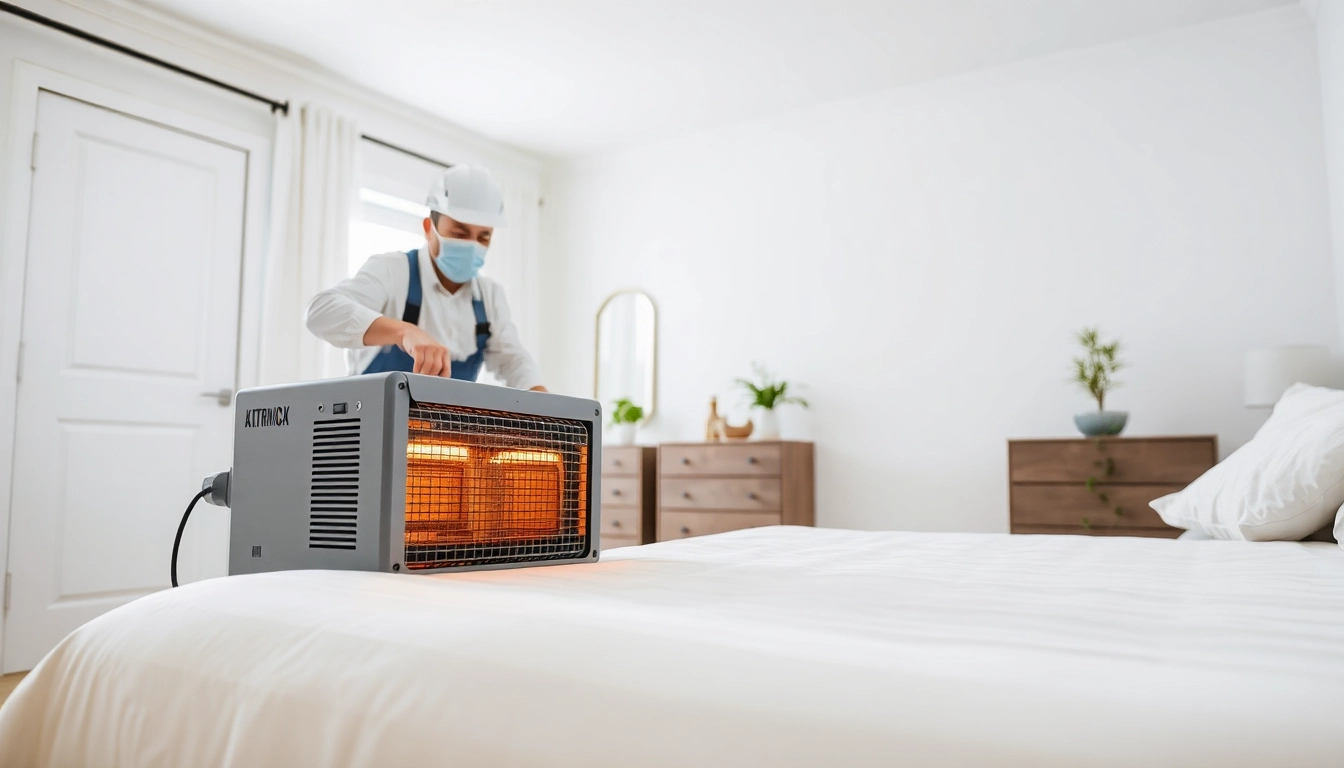
Understanding Bed Bug Heat Treatment
What is Bed Bug Heat Treatment?
Bed bug heat treatment is a method of eradicating bed bugs using high temperatures. This technique leverages heat to eliminate all life stages of bed bugs, including their eggs. By raising the environmental temperature of infested rooms to lethal levels, often between 120°F and 140°F, bed bugs cannot survive. This non-chemical form of pest control is gaining recognition for its effectiveness and safety, especially when compared to traditional pesticide methods. For comprehensive resources, consider exploring bed bug heat treatment options available nearby.
How Does Heat Treatment Work?
Heat treatment works by rapidly raising the temperature of the infested area, disrupting the bed bug lifecycle. Technicians utilize specialized heaters that distribute heat evenly throughout the space, ensuring that all surfaces reach an adequate temperature. The principle is simple: heat penetrates furniture, mattresses, carpets, and walls, killing bed bugs on contact. This method is effective at all life stages, meaning it can eradicate both adult bugs and their eggs, which are notoriously harder to kill.
Advantages of Bed Bug Heat Treatment
Bed bug heat treatment offers several advantages over traditional extermination methods:
- Non-Toxic: It does not involve harmful chemicals, making it a safer option for homes, especially those with children and pets.
- Speed: Treatments can typically be completed in a single day, significantly reducing the inconvenience to residents.
- Effectiveness: It eliminates bed bugs in all life stages, including resilient eggs.
- Minimal Residuals: Unlike sprays or powders, heat treatment leaves no toxic residues behind.
- Comprehensive Coverage: Heat reaches places that chemicals may not, such as inside furniture or behind walls.
Preparing for Bed Bug Heat Treatment
Steps to Prepare Your Home
Preparation is key for the effectiveness of heat treatment. Here are crucial steps to follow:
- Clear the Area: Remove any items that might obstruct the flow of heat, such as clothing or large furniture.
- Vacuum Thoroughly: Before treatment, vacuum carpets, rugs, and furniture to remove any visible bed bugs and their debris.
- Seal Vulnerable Areas: Ensure windows and doorways are properly sealed to trap the heat within the treated zone.
- Prepare Pets and Plants: Relocate pets and plants out of the treatment area to avoid heat damage.
- Communicate with Technicians: Inform your pest control provider about any unique items that may need special handling.
Items to Remove Before Treatment
To facilitate an effective heat treatment, consider removing or securing the following items:
- Food and perishable items
- Essential medications
- Items sensitive to temperature changes such as paintings and certain electronics
Safety Precautions During Treatment
While heat treatment is generally safe, adhering to these precautions is essential:
- Ensure that all windows and doors remain closed during the treatment process to contain heat.
- Avoid entering the treated area until it has cooled down, as the temperatures can be hazardous.
- Follow the guidelines provided by your extermination team for optimal safety.
Implementing Bed Bug Heat Treatment
Equipment Required for Heat Treatment
Effective bed bug heat treatment requires specific equipment:
- Heating Units: Industrial heaters or specially designed electric heaters that can reach the necessary temperatures.
- Temperature Monitors: Devices that track and record temperature fluctuations throughout the process.
- Fans: To aid in circulating hot air evenly throughout the treatment area.
- Thermal Blankets: Used to cover items that should not be overheated.
Basic Procedures to Follow
The implementation of heat treatment generally follows these procedures:
- Assessment of the infested area to determine the extent of the issue.
- Installation of heating and temperature monitoring equipment to ensure even heat distribution.
- Continuous monitoring of temperatures to ensure they remain within the lethal range for bed bugs.
- Duration of treatment is typically four to six hours, depending on the room size and level of infestation.
Duration and Temperature Settings
For effective results, the ambient temperature should be raised to at least 120°F (49°C) and maintained for at least 90 minutes. The preferred setting is often between 135°F to 145°F, sustained for four to six hours to ensure complete eradication.
Post-Treatment Care and Maintenance
How to Assess Treatment Success?
After treatment, it is crucial to monitor for signs of continued activity:
- Carefully inspect bedding and furniture for re-emerging bed bugs.
- Look for any new bites on yourself or pets.
- Evaluate for any presence of shed skins or fecal deposits.
Preventing Future Infestations
To minimize the likelihood of re-infestation, follow these strategies:
- Regularly inspect and clean sleeping areas and furniture.
- Avoid bringing used furniture or clothing into your home without thorough inspection.
- Seal any cracks and crevices in your home where bed bugs might enter.
Signs to Look for After Treatment
Pay attention to the following signs post-treatment:
- Bites on exposed skin while sleeping could indicate remaining bed bugs.
- Small blood stains on sheets or furniture from crushed bed bugs.
- Dark spots or streaks on mattresses from fecal matter.
FAQs About Bed Bug Heat Treatment
What is the cost of bed bug heat treatment?
The cost can vary widely based on the size of the area to be treated, typically ranging from $300 to $1500. Consult local pest control services for accurate pricing.
How long does bed bug heat treatment take?
A standard heat treatment generally lasts between four to six hours, depending on the infested area and the severity of the bed bug problem.
Can I do bed bug heat treatment myself?
While DIY options exist, professional treatment is recommended for safety and effectiveness, as improper heat application can lead to fire hazards or inadequate results.
Is bed bug heat treatment safe for pets?
Yes, as long as pets are kept away from the treated area during the procedure and properly checked afterwards.
What temperature is needed for effective bed bug heat treatment?
Effective treatment requires temperatures to reach at least 120°F (49°C), with 135°F to 145°F being the ideal range for optimal results.