
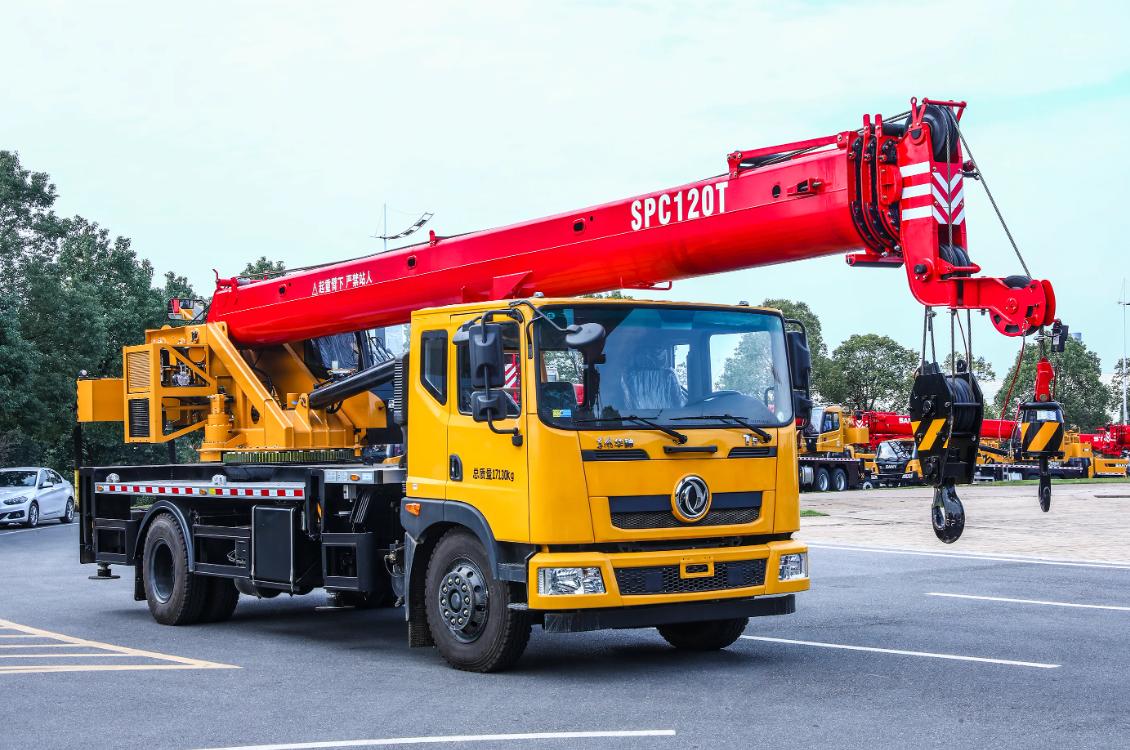
Understanding Modern Heavy Transport Solutions
Industrial growth has increased the demand for faster, safer, and more efficient logistics systems, especially when it comes to moving large machinery. Businesses rely on dependable transport methods to keep operations running smoothly without delays. This is where equipment hailing becomes a powerful solution for industries that need quick access to heavy-duty transportation services.
Unlike traditional logistics planning that often requires long scheduling windows, equipment hailing allows companies to request machinery transport on demand. This flexibility reduces downtime and ensures that equipment reaches its destination without unnecessary waiting periods. As industries continue to evolve, fast-response transport solutions have become a vital part of operational success.
Modern businesses value time efficiency above all, and equipment mobility plays a major role in project completion. Whether it is construction machinery, agricultural tools, or industrial systems, quick relocation improves productivity and reduces operational stress.
The Growing Demand for Rapid Machinery Transport
The industrial sector is expanding rapidly, and so is the need for efficient logistics systems. Companies now expect instant availability of transport services that can handle heavy and oversized machinery. equipment hailing plays a significant role in meeting these expectations by providing quick access to transport vehicles designed for industrial loads.
Delays in machinery movement can lead to project setbacks and financial losses. This is why many organizations are shifting toward on-demand transport systems. With equipment hailing, businesses can minimize waiting time and ensure that operations continue without interruption.
The flexibility offered by this system is particularly beneficial for industries that work on tight deadlines. Construction sites, manufacturing plants, and energy sectors all rely on timely delivery of machinery to maintain workflow efficiency.
Efficiency and Speed in Equipment Movement
Speed is one of the most important advantages of modern transport systems. Traditional logistics often involves long coordination processes, but equipment hailing simplifies everything by allowing immediate service requests. This ensures that machinery is picked up and delivered without unnecessary delays.
Efficiency also comes from optimized routing and specialized transport vehicles. These systems are designed to handle heavy loads while maintaining stability and safety during transit. With equipment hailing, businesses gain access to streamlined logistics that reduce downtime and improve overall productivity.
Fast machinery transport also supports emergency operations. When equipment breaks down or needs urgent relocation, quick response services ensure that projects remain on schedule. This level of responsiveness is essential in industries where time directly impacts revenue.
Enhancing Operational Flexibility Across Industries
Different industries have different transportation needs, and flexibility is key to meeting those requirements. equipment hailing offers adaptable solutions that cater to a wide range of machinery types and project demands. This makes it suitable for construction, mining, agriculture, and manufacturing sectors.
Flexibility also means being able to scale services based on project size. Whether a company needs to move a single machine or an entire fleet of equipment, transport solutions can be adjusted accordingly. This adaptability ensures that businesses do not overpay for unnecessary services or face delays due to limited availability.
By integrating equipment hailing into their operations, companies gain better control over scheduling and logistics planning. This improves coordination between teams and enhances overall project execution.
Safety and Reliability in Transport Operations
Transporting heavy machinery requires careful handling and strict safety measures. Professional logistics providers prioritize secure loading, stable transportation, and proper unloading procedures. equipment hailing ensures that these safety standards are consistently maintained.
Reliability is equally important. Businesses need assurance that their machinery will arrive at the destination without damage or delay. With trained operators and specialized transport vehicles, equipment hailing services provide dependable solutions for complex logistics challenges.
Safety protocols include proper securing of equipment, route planning to avoid hazards, and real-time monitoring during transit. These measures reduce risks and ensure smooth delivery operations, even for high-value or sensitive machinery.
Cost Efficiency and Business Optimization
Managing transportation costs is a major concern for many organizations. Traditional logistics models often involve fixed contracts or long-term arrangements that may not always be cost-effective. equipment hailing offers a more flexible pricing structure based on actual usage.
This pay-as-needed approach allows businesses to optimize their budgets while still accessing high-quality transport services. By reducing idle costs and eliminating unnecessary scheduling expenses, companies can allocate resources more effectively.
Over time, the financial benefits of equipment hailing become clear. Reduced downtime, fewer delays, and improved operational efficiency all contribute to better profitability. This makes it a smart choice for businesses looking to improve both logistics and cost management.
Technology Integration in Modern Transport Systems
Technology plays a central role in improving transport efficiency. Digital platforms, GPS tracking, and automated scheduling systems have transformed how logistics services operate. equipment hailing benefits greatly from these advancements by offering real-time coordination and transparent tracking.
Clients can monitor their machinery during transit, receive updates, and adjust schedules if needed. This level of visibility improves communication and reduces uncertainty. It also enhances trust between service providers and clients.
Advanced technology ensures that transport routes are optimized for speed and safety. This reduces fuel consumption and minimizes environmental impact while maintaining high delivery standards.
Conclusion: The Future of Fast Machinery Logistics
The demand for efficient and responsive logistics continues to grow as industries become more dynamic and time-sensitive. equipment hailing represents a modern solution that addresses the need for speed, flexibility, and reliability in machinery transport.
By offering on-demand access to specialized transport services, it allows businesses to maintain productivity without interruption. From improved safety measures to cost optimization and technological integration, this system supports every aspect of modern industrial operations.
As companies continue to prioritize efficiency, equipment hailing will play an even more important role in shaping the future of heavy machinery transport. It is not just a convenience but a strategic advantage for businesses aiming to stay competitive in fast-moving industries.
Frequently Asked Questions
What is equipment hailing?
equipment hailing is an on-demand transport service that allows businesses to quickly arrange machinery relocation without long scheduling delays.
How does equipment hailing improve efficiency?
It reduces waiting time, streamlines logistics, and ensures fast delivery of heavy machinery, helping businesses maintain smooth operations.
Is equipment hailing suitable for all industries?
Yes, it is widely used in construction, agriculture, manufacturing, and other sectors that require frequent machinery transport.
How safe is equipment hailing for heavy machinery?
It is highly safe as it follows strict loading, transport, and unloading procedures along with real-time monitoring systems.
Does equipment hailing reduce transport costs?
Yes, it helps reduce costs by offering flexible, pay-as-needed pricing and minimizing downtime-related expenses.