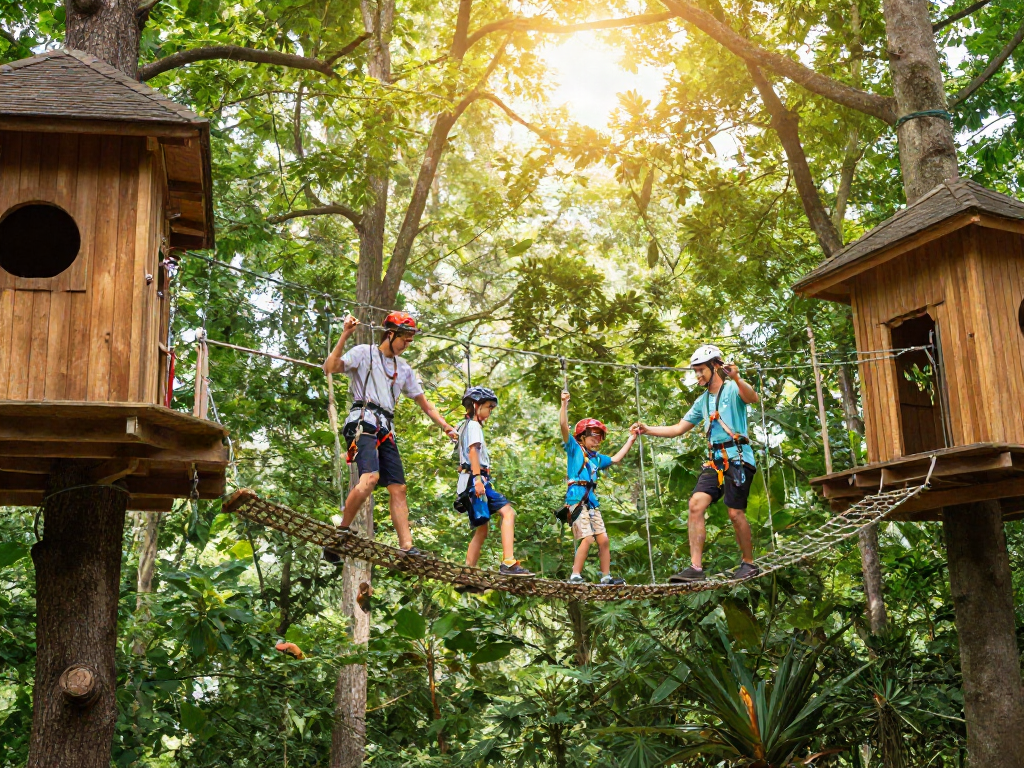
Understanding the Basics of Rope Bridges
Rope bridges are fascinating structures that have evolved over centuries, serving both functional and aesthetic purposes. From ancient civilizations to modern-day playgrounds, these bridges offer unique crossing solutions across various terrains and obstacles. As we delve into the intricacies of rope bridges, it's essential to consider the versatility they provide, whether for adventure playgrounds, treehouse connections, or even artistic installations in nature. When exploring options, Rope Bridge design can provide comprehensive insights into innovative and safe construction methods.
What is a Rope Bridge?
A rope bridge is a simple yet effective structure designed to connect two points, often suspended above the ground. Typically constructed with ropes or cables and a walking surface such as wooden slats or mesh, these bridges rely on tension and flexibility to support their users. Unlike traditional bridges with rigid frameworks, rope bridges are inherently adaptable, allowing for variations in design to suit specific environments and uses.
Historical Significance of Rope Bridges
Historically, rope bridges have played a critical role in various cultures, particularly in regions where natural obstacles like rivers and gorges presented challenges to movement. The Inca civilization, for instance, constructed intricate rope bridges known as "q’eswachaka" using natural materials such as grass and hemp. These bridges not only facilitated trade and communication but also symbolize the ingenuity of indigenous engineering. Today, their significance endures, inspiring modern constructions that blend functionality with natural aesthetics.
Common Types of Rope Bridges
- Simple Suspension Bridges: These bridges use ropes or cables to support the deck, creating a lightweight structure ideal for pedestrian use.
- Two-Rope Bridges: Featuring two primary ropes that support the weight, these bridges often have a wider deck, making them more stable for users.
- Hammock Bridges: Often found in adventure parks, these bridges consist of a mesh-like surface suspended by ropes, providing a dynamic crossing experience.
Planning Your Rope Bridge Project
Before embarking on the construction of a rope bridge, careful consideration of various factors is essential to ensure both safety and functionality. The planning stage involves assessing the intended use of the bridge, its location, and the materials required for construction.
Choosing the Right Location for Your Rope Bridge
The success of a rope bridge project begins with selecting an appropriate location. Factors to consider include the type of terrain, the distance to be spanned, and the environmental impact. Ideally, the site should feature natural anchor points, such as trees or cliffs, that can support the bridge while minimising disturbance to the surrounding ecosystem.
Essential Materials and Tools Required
Constructing a rope bridge requires specific materials and tools. Common choices for ropes include polyester, nylon, or natural fibres, each offering different strengths and flexibility. Additionally, you'll need wooden planks or mesh for the bridge decking, along with tools like saws, drills, and climbing gear for securing the ropes properly.
Safety Considerations and Regulations
Safety is paramount when building a rope bridge. It’s vital to adhere to local building codes and safety regulations, which may include guidelines on load-bearing capacities and maintenance checks. Consider implementing safety features such as guardrails and non-slip surfaces to enhance user security.
Step-by-Step Guide to Building a Rope Bridge
Following a structured approach to constructing a rope bridge ensures that your project is not only successful but also safe and durable. Below is a detailed guide to help you through the process.
Designing Your Rope Bridge Layout
The first step in your construction process is to design the layout of your rope bridge. Sketch a plan that includes measurements, the type of materials, and the placement of anchor points. Proper planning at this stage will save time and resources during construction.
Constructing the Bridge Supports
Once the design is finalised, begin installing the bridge supports. If using trees as anchors, ensure they are healthy and sturdy enough to bear the weight of the bridge and users. If constructing a freestanding bridge, concrete or steel supports may be necessary for stability.
Woven Techniques for Stability and Safety
To enhance the bridge’s stability, consider using woven techniques when installing the decking. This method involves intertwining the ropes or adding cross supports, which distributes weight evenly and reduces sway. Ensure that all knots are secure and that the materials are inspected for wear over time.
Testing and Maintenance of Your Rope Bridge
After construction, regular testing and maintenance of your rope bridge are crucial to its longevity and safety. This section outlines key practices to keep your bridge in excellent condition.
How to Conduct Safety Inspections
Periodic safety inspections should include checking for wear and tear on the ropes, ensure all knots are secure, and evaluate the bridge's overall structural integrity. Look for any signs of deterioration in the decking material and replace components as necessary.
Regular Maintenance Practices for Longevity
To maintain the durability of your rope bridge, perform routine cleaning and maintenance. This includes clearing debris, treating the wood to prevent rot, and tightening any loose cables. Regular maintenance not only extends the life of the bridge but also ensures user safety.
Common Issues and Troubleshooting Techniques
Common issues with rope bridges include sagging, wear on ropes, and loose fittings. Troubleshooting these problems early can prevent accidents. For sagging, check the tension on your ropes and make adjustments as needed. For worn ropes, consider replacing them with new materials that meet safety standards.
The Future of Rope Bridges: Trends and Innovations
As we look towards the future, the evolution of rope bridge design continues to reflect advancements in materials and technology while prioritising sustainability and safety.
Emerging Materials and Technology in Bridge Construction
Innovative materials such as synthetic ropes with higher tensile strength and lightweight composites are becoming popular in rope bridge construction. These advancements not only enhance durability but also reduce the overall weight of the structure, making installation and maintenance more manageable.
Sustainable Practices in Rope Bridge Design
Many modern rope bridges are designed with sustainability in mind. This includes using recycled materials and renewable resources, as well as incorporating eco-friendly construction practices that minimise environmental impact.
Community Projects and Collaborative Efforts in 2026
Looking ahead to 2026, community-driven projects are expected to increase, encouraging collaboration between local governments, architects, and residents. These initiatives can foster local pride while creating functional spaces that benefit the community, such as adventure parks or serene nature trails with rope bridges.
What is a rope bridge called?
Rope bridges are also referred to as suspension bridges, particularly when they utilise a system of cables or ropes to support the deck. Other terms may include hammock bridges or aerial walkways, depending on the specific design.
How do you make a rope bridge?
To construct a rope bridge, begin by selecting a sturdy location and gathering the necessary materials. Plan the design carefully, ensuring that the bridge will be safely anchored. Follow a systematic approach to build, focusing on securing the ropes and decking effectively.
What type of rope is best for a rope bridge?
The best type of rope for a rope bridge often includes 1-1/8" polyester three-strand rope, which offers high strength, natural aesthetics, and moisture resistance, making it suitable for handrails and bridge structures.
Can rope bridges be used for commercial purposes?
Yes, rope bridges can be employed for commercial purposes, particularly in adventure parks, exhibitions, and eco-tourism sites where they serve both functional and experiential roles.
What safety measures are required for rope bridges?
Safety measures for rope bridges include the installation of guardrails, regular inspections, ensuring adequate load-bearing capacity, and the use of high-quality materials that comply with safety regulations.