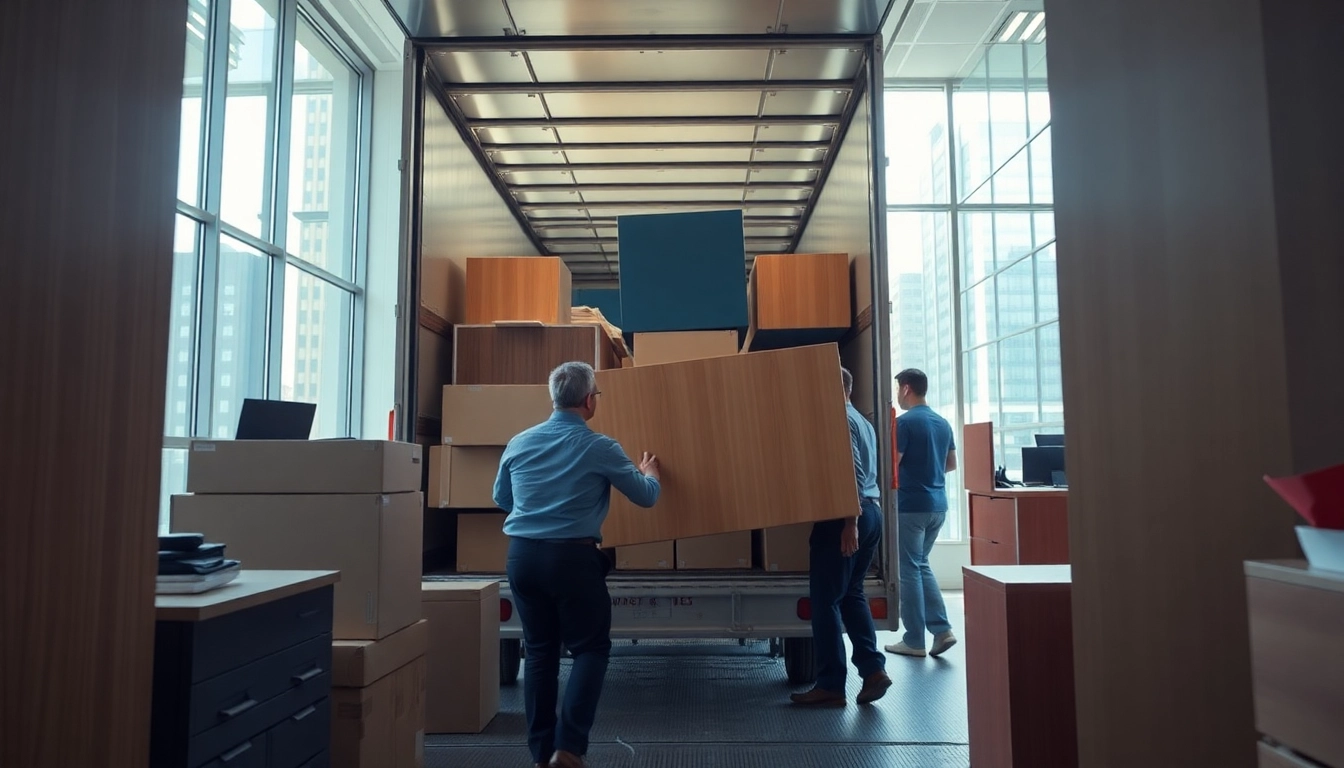
Understanding Commercial Moving Services NYC
What Are Commercial Moving Services?
Commercial moving services are specialized relocation solutions designed for businesses, organizations, and institutions that need to move their operations from one location to another. These services differ from traditional residential moving services in that they focus on the unique needs of businesses, such as minimizing disruption, managing sensitive data, and securely transporting technology and equipment. Companies offering Commercial Moving Services NYC understand the complexities involved and provide tailored solutions to meet diverse business requirements.
Importance of Professional Movers
Engaging professional movers when planning a commercial move is essential to ensure operational continuity and minimize risks. Expert movers bring in-depth knowledge of logistics, equipment handling, and project management. Their experience helps navigate potential issues, coordinate schedules efficiently, and employ best practices for secure transportation. Moreover, professional movers come equipped with the necessary tools, vehicles, and packing supplies to tackle any moving challenge effectively, allowing businesses to focus on their core operations without overlooking the moving process.
Types of Businesses That Need Commercial Moving
A variety of businesses necessitate commercial moving services, including:
- Office relocations: Corporate offices that move to new locations to optimize their operations or accommodate growth.
- Retail stores: Businesses relocating their storefronts to reach new customer bases or enhance their visibility.
- Warehouses: Companies looking to change their logistics and inventory storage locations for better efficiency.
- Healthcare facilities: Hospitals and clinics that may need to relocate to comply with new regulations or enhance services.
- Educational institutions: Schools and universities moving campuses, expanding facilities, or redesigning their group structures.
Planning Your Move: A Step-by-Step Guide
Initial Assessment and Planning
The first step in a successful commercial move is to conduct a comprehensive assessment of your current location, including an inventory of equipment, furniture, and technology assets that require relocation. This assessment lays the groundwork for developing a detailed moving plan tailored to the specific needs of your business.
Establishing a Timeline for the Move
Creating a clear timeline is crucial to ensure a smooth transition. Identify key milestones leading up to moving day, such as notifying employees, disconnecting utilities, and finalizing contracts with moving companies. Creating a countdown schedule provides all stakeholders with an understanding of the moving timeline and helps keep the team accountable.
Organizing Inventory and Logistics
Once the moving plan is formulated, an organized inventory helps ensure that every item is accounted for during the move. Use inventory management software or spreadsheets to categorize assets, appraise their value, and track their movement. Beyond this, logistics planning should encompass transportation routes, packing materials, and timelines for both packing and unpacking, ensuring that nothing is overlooked.
Choosing the Right Commercial Moving Services NYC
Key Factors to Consider
When selecting the right moving service, consider the following factors:
- Experience: Look for movers with proven experience in commercial relocations similar to your business requirements.
- Services offered: Ensure that the company provides additional services, such as packing, storage, and logistics planning.
- Insurance and licensing: Verify that the movers have the appropriate licenses and insurance to protect your assets during the move.
- Flexibility: Choose movers willing to work around your schedule to minimize disruption to your business operations.
Evaluating Reviews and Testimonials
Researching reviews and testimonials from other businesses can offer valuable insights into how a moving company operates. Look for case studies, ratings on review platforms, and testimonials on their website. Reliable movers will often have positive feedback regarding their efficiency, professionalism, and customer service.
Understanding Pricing Structures
Billing structures can vary considerably between moving companies. Some may charge by the hour, while others provide flat-rate pricing based on distance and volume. It's crucial to seek transparent pricing and a detailed quote that breaks down costs. Understanding any potential extra fees, such as packing services or additional labor, will help you budget effectively for your move.
Best Practices for a Smooth Move
Preparing Your Office for Movers
To ensure a smooth moving day, prepare your office by decluttering and organizing workspaces in advance. Instruct employees to pack personal items and clearly label boxes with their contents and new locations in the new office. This will ease the unpacking process and enhance organization.
Communicating with Employees
Effective communication with your staff throughout the moving process is crucial. Keep everyone informed about plans, changes, and responsibilities. Hosting regular meetings during the planning phase helps ease any concerns and fosters a sense of teamwork. Setting up a dedicated channel for questions and updates ensures that transparency is maintained.
Setting Up Efficient Post-Move Operations
After the move, swiftly setting up operations in the new location aids in minimizing downtime. Ensure that technical infrastructure, such as internet and communication systems, is established before staff re-enter the office. Additionally, designate spaces appropriately, adhering to the original office layout if possible, to enable a smooth transition back into familiar routines.
FAQs About Commercial Moving Services NYC
How much does commercial moving typically cost?
Costs can range widely based on factors such as the size of the office, distance of the move, and the services provided. Estimates can start from a few hundred dollars for smaller moves and exceed thousands for larger relocations.
What should businesses do before movers arrive?
Businesses should declutter workspaces, organize essential items, and communicate the moving strategy to employees. Pre-pack items that are not immediately needed to facilitate a smoother move.
What are common challenges during a commercial move?
Challenges may include potential downtime, loss of sensitive data, and ensuring that all equipment functions properly post-move. Meticulous planning ahead can mitigate these issues effectively.
How can I ensure my move causes minimal disruption?
Schedule your move during off-peak hours and use professional movers for an organized transition. Maintain open communication with staff to streamline processes and ensure confusion does not arise.
Why hire professional commercial moving services?
Professional services provide expertise in logistical management, ensuring efficient handling of items and minimizing downtime. This expertise allows businesses to operate smoothly during transitions.