Understanding Integrated Modular Systems
In today's evolving landscape of industrial and municipal water treatment, Integrated Modular Systems have emerged as pivotal solutions. These systems not only simplify complex processes but also enhance operational efficiency and responsiveness to diverse water challenges. By integrating various treatment technologies into cohesive modules, these systems address the need for sustainable and effective water management across multiple industries.
What Are Integrated Modular Systems?
Integrated Modular Systems (IMS) represent a structured approach to industrial and municipal water treatment. At their core, these systems unify various treatment technologies and processes into a single, scalable solution. Each module performs a specific function, such as filtration, chemical treatment, or sludge dewatering, allowing for easy expansion and adaptation to changing water quality requirements. This modularity provides flexibility, enabling facilities to enhance capacity without overhauling entire systems.
The Importance of Water Treatment Solutions
The global demand for clean water continues to surge as populations grow and industrial activities expand. This has heightened the importance of efficient water treatment solutions that can cater to diverse needs—from industrial wastewater management to municipal supply. Integrated Modular Systems combine various treatment methods, thus supporting efficient water recycling and helping meet regulatory standards while minimizing environmental impact.
Key Components of an Integrated Modular System
- Filtration Modules: These components filter out suspended solids and reduce turbidity.
- Chemical Treatment Units: Used for disinfection and neutralization of contaminants through the addition of chemicals.
- DAF Systems: Dissolved Air Flotation (DAF) effectively removes fine particles and oils from wastewater.
- Sludge Dewatering Units: These systems efficiently remove excess water from sludge, minimizing disposal costs.
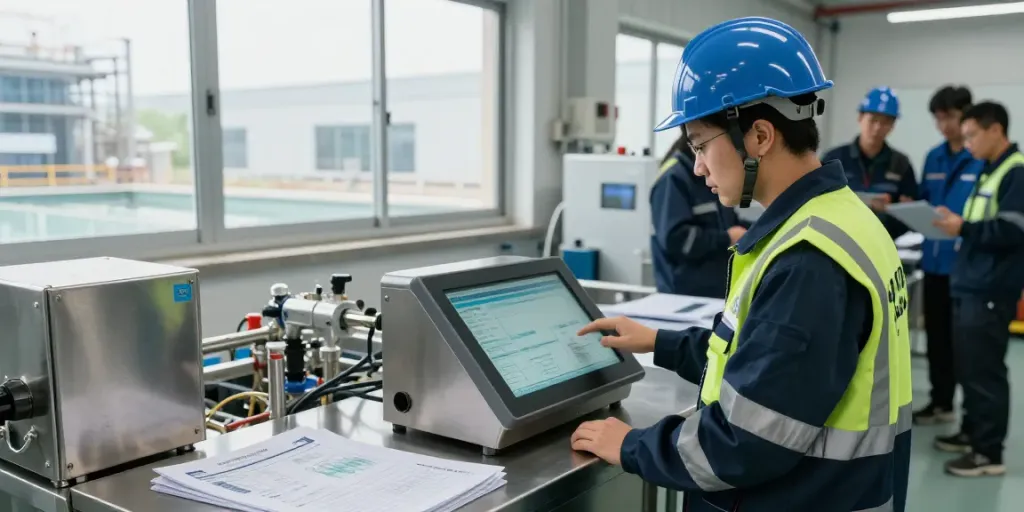
- Control Systems: Monitoring and automation tools ensure optimal operation and compliance with treatment standards.
Benefits of QILEE’s Integrated Modular Systems
Efficiency in Water Treatment Processes
One of the standout benefits of QILEE's Integrated Modular Systems is their remarkable efficiency in water treatment processes. By incorporating advanced technologies such as automated dosing and continuous monitoring, these systems streamline operations and reduce manual labor. The modular design allows for parallel processing, which significantly speeds up treatment times compared to traditional systems.
Cost-Effectiveness for Large-Scale Applications
Investing in Integrated Modular Systems offers significant cost savings, especially for large-scale applications. The modular nature means that systems can be expanded incrementally, spreading out capital expenditure over time and allowing facilities to align investments with project demands. Furthermore, operational efficiency leads to lower energy costs and reduced maintenance expenses, enhancing overall budget sustainability.
Enhanced Reliability and Performance Metrics
Reliability is crucial in water treatment, and QILEE’s systems are engineered to provide stable performance. Each component in the modular system is designed for high durability and performance under various conditions. With real-time monitoring, operators can swiftly address any anomalies, ensuring consistent output quality and compliance with environmental regulations.
Applications of Integrated Modular Systems
Industrial Wastewater Management
In industries such as manufacturing, textiles, and pharmaceuticals, the treatment of wastewater is paramount. Integrated Modular Systems offer tailored solutions that address specific contaminants while ensuring minimal disruption to production processes. The ability to customize modules according to industry needs enhances efficiency and compliance with environmental norms.
Municipal Water Treatment Solutions
Municipal water treatment facilities benefit greatly from Integrated Modular Systems due to their scalability and adaptability. As community needs evolve, these systems can be upgraded with additional modules to handle increased demand or improved water quality standards without extensive infrastructure changes. This ensures municipalities can respond effectively to population growth and environmental challenges.
Pharmaceutical and Food Processing Industries
The pharmaceutical and food processing sectors face strict regulations regarding water quality. Integrated Modular Systems can incorporate advanced filtration and chemical treatment processes to ensure compliance. These systems help maintain the integrity of products while promoting sustainability by recycling water efficiently.
Implementation Strategies for Integrated Modular Systems
Best Practices for System Integration
Successful integration of Integrated Modular Systems begins with careful planning. Facilities should conduct thorough assessments of current workflows and water quality challenges. Engaging with experienced suppliers, like QILEE, during this phase can ensure that the chosen system meets specific operational needs and complies with regulatory requirements.
Step-by-Step Installation Guide
The installation of Integrated Modular Systems typically follows a structured approach:
- Site Assessment: Evaluate existing infrastructure and water quality requirements.
- Design Phase: Collaborate with engineering teams to customize the modular design.
- Procurement: Source all necessary components from reliable manufacturers.
- Installation: Follow detailed installation protocols to ensure correct setup.
- Testing and Commissioning: Conduct thorough testing before full-scale operation.
Monitoring and Maintenance Techniques
Ongoing monitoring and maintenance are crucial for maximizing the lifespan and performance of Integrated Modular Systems. Regular inspections, calibration of sensors, and periodic cleaning of components help avoid operational downtime and maintain high treatment standards. Developing a responsive maintenance schedule aligned with system performance metrics is a best practice for facility managers.
Future Trends in Integrated Modular Systems
Emerging Technologies and Innovations
The future of Integrated Modular Systems is promising, with ongoing innovations expected to revolutionize water treatment. Technologies such as machine learning and AI-driven analytics are becoming increasingly integrated into these systems, enabling predictive maintenance and optimization of treatment processes. Additionally, advancements in membrane technologies and energy recovery systems will further enhance efficiency.
Regulatory Changes Impacting Water Treatment
As environmental regulations continue to evolve, Integrated Modular Systems will need to adapt to new standards. Upcoming regulations are likely to focus on stricter controls of contaminant discharge and increased transparency in water quality reporting. Facilities equipped with modular systems can more readily comply with these changes due to their flexible design.
Predictions for 2026 and Beyond
Looking forward, Integrated Modular Systems are expected to play a crucial role in addressing global water scarcity challenges. Predictions for 2026 indicate a significant shift towards decentralization in water management, with more facilities opting for modular solutions to enhance local water treatment capabilities. This trend will be driven by increasing awareness of environmental issues and the necessity for sustainable practices in water management.
What is an example of a modular system?
An example of a modular system is a wastewater treatment facility that employs several independent treatment modules, such as biological treatment, filtration, and disinfection. Each module can operate autonomously or in coordination with others, allowing for flexibility and efficiency in handling varying inflow conditions.
How much does a modular system cost?
The cost of modular systems varies widely based on size, complexity, and technology used. Generally, the initial investment might be higher than traditional systems; however, the long-term operational savings due to efficiency and reduced maintenance needs can result in lower overall costs.
What is modular integrated construction?
Modular integrated construction refers to a building methodology where various components are prefabricated off-site and then assembled on-site. This construction approach can enhance efficiency and reduce waste, paralleling the principles of Integrated Modular Systems in water treatment.
What is the difference between modular and integrated design?
Modular design focuses on creating discrete, stand-alone units that can be combined to form larger systems, while integrated design emphasizes unifying various components into a cohesive system that operates seamlessly. In the context of water treatment, Integrated Modular Systems blend both approaches to maximize efficiency and adaptability.
What are the advantages of using Integrated Modular Systems?
Some advantages of using Integrated Modular Systems include increased efficiency, flexibility, cost savings, enhanced reliability, and the potential for rapid scalability to meet growing or changing demands. These systems also facilitate compliance with environmental regulations through their comprehensive treatment capabilities.