Understanding Construction Safety Training Southern California
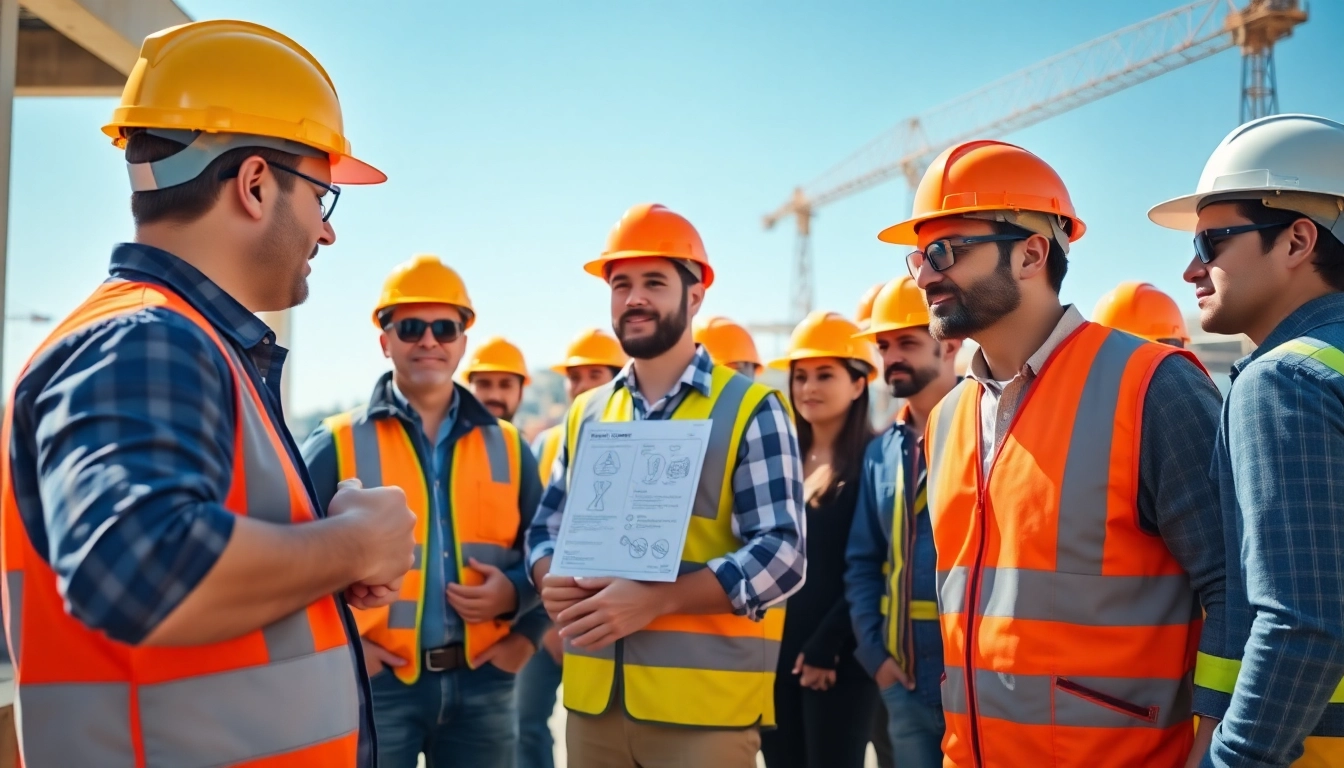
In the dynamic and often hazardous environment of construction, safety must take precedence. One of the most effective ways to ensure the well-being of all involved in construction projects is through comprehensive construction safety training southern california. This type of training not only equips workers with the knowledge necessary to navigate potential dangers but also fosters a culture of safety that reverberates throughout the organization.
The Importance of Safety Training
Effective safety training reduces the risk of accidents and injuries on construction sites, which can lead to severe consequences both for workers and organizations. Training ensures that workers understand the risks associated with their jobs and how to mitigate them. A culture of safety can lead to lower insurance costs, increased productivity, and improved employee morale. Moreover, regulatory compliance can protect companies from fines and legal issues associated with inadequate safety measures.
Key Regulations and Standards
In Southern California, safety training must align with the standards set by the Occupational Safety and Health Administration (OSHA) as well as local regulations. The OSHA guidelines provide a framework for safety that construction companies must adhere to, including training requirements, safety protocols, and hazard communication. Understanding these regulations is essential for ensuring that training programs not only meet legal mandates but also promote a genuine culture of safety.
Who Should Attend Training?
While all employees should undergo safety training, specific roles may require more specialized programs. Foremen, project managers, and safety officers are crucial positions that necessitate advanced training. Additionally, workers who operate heavy machinery or manage hazardous materials must receive tailored training to address the unique risks associated with their tasks. By focusing training on the specific needs of various roles, companies can ensure broader safety and compliance across their workforce.
Effective Training Techniques
Hands-On Learning Approaches
Hands-on learning is critical in construction safety training. Simulations and practical exercises allow trainees to apply their knowledge in real-world scenarios. Effective training programs incorporate role-playing exercises, live demonstrations, and on-site simulations that reflect the actual conditions workers will face. This active involvement enhances retention and prepares workers to respond adequately during emergencies.
Incorporating Technology in Training
Technology plays an increasingly vital role in safety training. Virtual reality (VR) and augmented reality (AR) allow trainees to immerse themselves in their work environment and experience hazards in a controlled setting. These technologies can replicate dangerous scenarios, enabling workers to practice their responses without risking safety. Additionally, online training modules can provide flexibility, allowing employees to complete courses at their convenient pace while still maintaining engagement through interactive content.
Measuring Training Effectiveness
Assessment of training effectiveness is essential for continuous improvement. Metrics such as incident rates, employee feedback, and performance evaluations can provide insight into the training's impact. Implementing pre- and post-training assessments can help identify knowledge gaps and areas for further development. Regularly revisiting training material based on feedback ensures that it remains relevant and effective in cultivating a safe working environment.
Common Safety Hazards in Construction
Identifying Construction Hazards
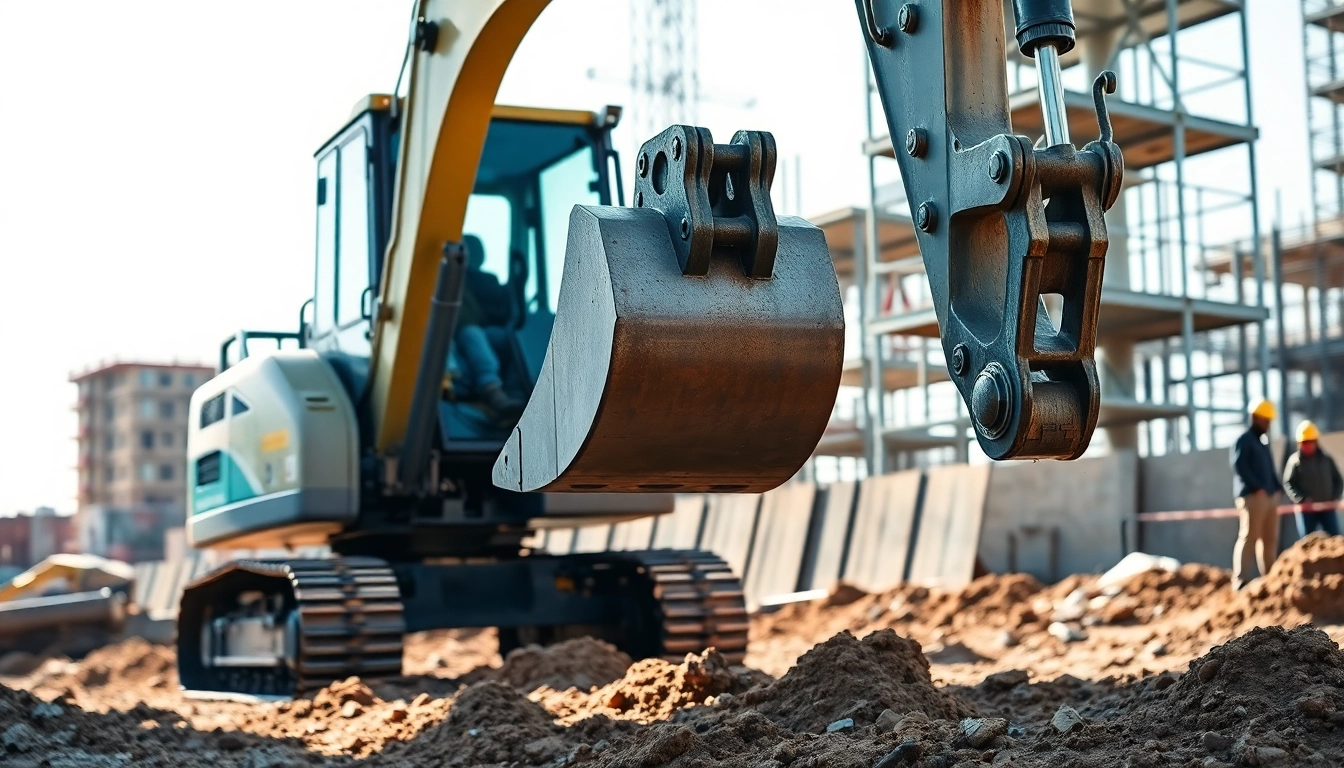
Construction sites are fraught with potential hazards, including falls, electrocution, being struck by objects, and equipment-related injuries. Identifying these hazards is the first step in creating an effective safety program. Employers must conduct regular site assessments to uncover these risks and adapt training accordingly. Involving employees in hazard identification can also foster a proactive approach to safety.
Preventative Measures and Solutions
Once hazards have been identified, the next step is implementing preventative measures. This might involve introducing personal protective equipment (PPE), establishing proper safety protocols, and ensuring equipment is well-maintained. Moreover, continuous monitoring and adjustments to safety measures are vital to effectively reduce hazards over time. Employers should prioritize communication about these measures and ensure all employees understand their importance.
Developing a Safety Culture
A strong safety culture is characterized by a shared commitment to safety among all employees. Leaders must model safe practices, openly communicate about safety, and encourage feedback from workers. Regular meetings focusing on safety topics can help solidify this culture, as can incentives for safe behavior. Ultimately, fostering a culture of safety not only lowers the incidence of accidents but promotes a more engaged and productive workforce.
Best Practices for Implementation
Creating a Safety Training Schedule
A well-structured training schedule ensures that employees receive timely and relevant instruction. Consider the project timelines and scheduling cycles to integrate training effectively. Additionally, keeping training sessions short and frequent can help maintain engagement while providing opportunities to revisit key topics regularly. Including refresher courses can further enhance retention of safety practices over time.
Engaging Employees in Training
Engagement during training sessions is crucial for retention and understanding. Techniques such as interactive workshops, discussions, and group activities can make training more dynamic. Reporting real-life incidents and discussing how they could have been prevented can also capture employees' attention. Recognizing contributions during training can further motivate employees and emphasize the significance of safety.
Continuous Improvement and Feedback
Continuous improvement is vital for effective safety training programs. Gathering feedback from participants after sessions can pinpoint strengths and weaknesses in the training material. Companies should also stay updated with the latest standards and trends in safety practices to enhance existing programs. Regularly updating training materials ensures that they remain relevant and reflect current best practices.
Frequently Asked Questions About Construction Safety Training
What Is Construction Safety Training?
Construction safety training educates workers on recognizing hazards, understanding safety protocols, and complying with regulations to prevent accidents on job sites.
How Often Should Training Occur?
Training should occur regularly, with initial sessions for all employees and refreshers every 1-2 years or whenever new procedures or hazards arise.
What Topics Are Covered in Training?
Training topics include hazard recognition, personal protective equipment, emergency procedures, equipment safety, and regulatory compliance standards.
Are Certifications Issued After Training?
Yes, many training programs provide certifications upon completion, indicating that participants have met the training standards required.
Can Training Be Done Online?
Yes, online training is increasingly popular and can provide flexible, effective learning solutions, especially for theoretical components of safety training.