Understanding Online AI Abstract Art Generators
In the digital era, the fusion of creativity and technology has given birth to innovative tools that redefine art-making. Among these, online AI abstract art generators stand out for their ability to transform simple prompts into stunning visual masterpieces. By harnessing advanced algorithms and machine learning, these generators allow users—regardless of their artistic background—to create captivating artwork with minimal effort. As 2026 approaches, the significance of these tools in the art world continues to grow, offering both amateur and professional artists exciting new opportunities.
When exploring options, online AI abstract art generator platforms provide comprehensive insights into the capabilities and features available today. These tools are not merely novelty items; they represent a seismic shift in how art is conceived, produced, and appreciated.
What Is an Online AI Abstract Art Generator?
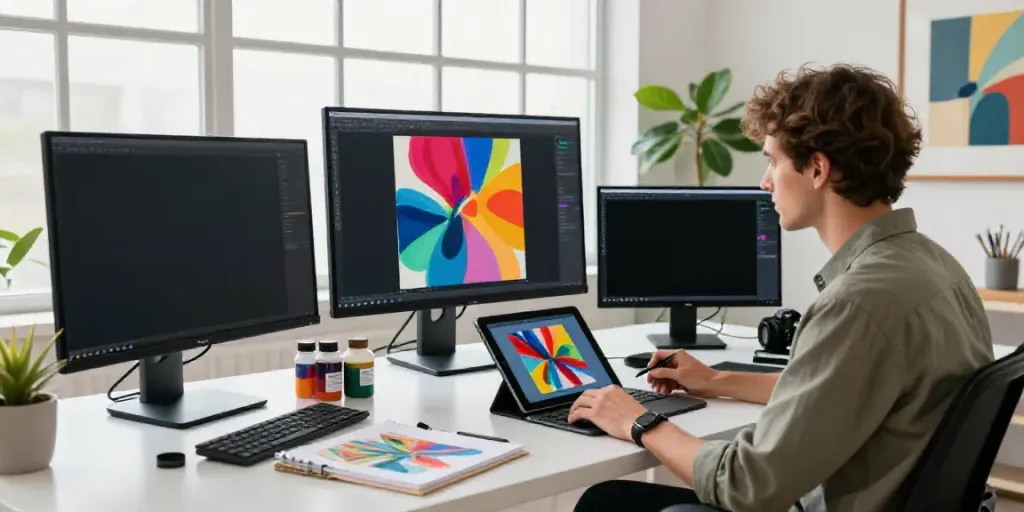
An online AI abstract art generator is a software application that uses algorithms to produce abstract artwork based on user-defined parameters or prompts. Users can input text descriptions, select styles, and adjust various settings to customize the resulting art. The generator then interprets the input and creates an image that reflects a unique blend of features based on the specified parameters. This technology utilizes deep learning techniques to analyze patterns in existing artworks, providing outputs that are often breathtaking and original.
The Evolution of AI in Art Creation
The journey of AI in art began with simple algorithms capable of generating basic patterns and designs. Over the past few years, significant advancements in machine learning and neural networks have propelled AI's ability to create increasingly sophisticated and nuanced art. In 2026, AI generators are now capable of producing complex textures, vibrant color schemes, and intricate forms that mimic various artistic movements, from Impressionism to contemporary abstract styles.
Benefits of Using AI for Abstract Art
- Accessibility: AI abstract art generators democratize art creation, allowing anyone to create professional-quality pieces regardless of their skill level.
- Speed: These tools can generate artwork in seconds, enabling artists to explore multiple concepts quickly.
- Inspiration: Many creators use AI art generators as a source of inspiration, taking the generated pieces as a foundation to build upon with their own creativity.
- Cost-Effectiveness: Utilizing an AI generator can be more affordable than commissioning a piece from a traditional artist, making art more accessible for businesses and individuals.
Common Mistakes to Avoid in 2026
Neglecting User Input: Customizing Your Prompts
One of the most common pitfalls users face when engaging with online AI abstract art generators is neglecting the importance of clear and specific prompts. While these tools are powerful, they rely heavily on user input to generate desired outputs. By providing vague or overly simplistic prompts, users risk receiving generic results that do not align with their vision. Customizing prompts with detailed descriptions ensures the AI can produce artwork that closely matches the user's creativity.
Overcomplicating Simple Designs
Another mistake artists often make is overcomplicating their requests. Abstract art embraces simplicity and spontaneity, and users should recognize that generative tools can excel with minimalistic prompts. Instead of layering excessive details, focusing on core themes or colors can yield more harmonious and impactful results. Aim for clarity in your intent to leverage the strengths of the AI effectively.
Ignoring Art Trends and Styles
The art world is perpetually evolving, with trends that can influence audience preferences and market value. When using AI generators, artists should stay attuned to current trends and styles. By integrating popular themes or techniques into their prompts, creators can ensure their artwork resonates with contemporary audiences, thereby enhancing its appeal and relevance.
Best Practices for Using AI in Art Generation
Choosing the Right Tool for Your Needs
With various online AI abstract art generators available, selecting the right tool is crucial for obtaining the best results. Look for platforms that align with your artistic goals and preferred functionality. Some generators excel at specific styles, while others may offer advanced customization features. Researching tools and reading reviews can help in making an informed choice and ensuring a productive experience.
Effective Prompt Crafting Techniques
To make the most of AI generators, mastering the art of prompt crafting is essential. Start by identifying the key elements you wish to convey, such as emotions, colors, or specific themes. Use descriptive language and avoid ambiguous terms. For instance, specifying "vibrant blue waves with golden accents" will yield more precise results than simply stating "something colorful." Experimenting with different prompts and refining your approach can lead to extraordinary outcomes.
Balancing AI Assistance with Personal Creativity
While AI can significantly enhance the creative process, it's important not to rely solely on technology. Balancing AI-generated art with personal creativity is crucial for producing unique pieces that reflect individual artists' styles. Use AI as a tool for inspiration and initial concept generation, and then infuse personal elements to craft a more authentic artistic expression.
Case Studies: Successful Use of AI Abstract Art
Artists Who Leveraged AI for Unique Creations
Numerous artists have embraced AI technology, using it to enhance their creativity and produce groundbreaking works. For example, contemporary artist Refik Anadol employs machine learning to interpret and visualize data, creating mesmerizing installations that blend art and technology. By utilizing AI tools, these artists not only expand their creative horizons but also challenge the conventional boundaries of art.
Impact on the Art Community and Market Trends
The emergence of AI abstract art generators has sparked discussions within the art community regarding authorship, creativity, and the definition of art. Some critics argue that AI-generated art lacks the emotional depth of human-made works, while proponents celebrate the potential for new forms of expression. As AI-generated art becomes more prevalent, it's essential for artists and collectors to understand these shifts and their implications on market trends.
Lessons Learned from AI Art Missteps
As is the case with any evolving technology, there have been missteps in utilizing AI for art creation. Some artists have faced backlash for relying too heavily on AI-generated content without incorporating their own voice. These experiences highlight the need for balance and authenticity in the creative process. Learning from these examples can guide current and future artists towards more thoughtful engagement with AI tools.
Future Trends in AI Abstract Art Generation
Predicted Developments in AI Art Technology for 2026
As we look towards 2026, further advancements in AI art technology are anticipated. Innovations may include enhancements in neural networks that allow for more intricate designs and styles, as well as more intuitive user interfaces that make AI tools even more accessible. Additionally, increased collaboration between artists and technologists may lead to unique hybrid forms of artistry that fuse human creativity with algorithmic generation.
Emerging Artistic Styles Driven by AI
The intersection of AI and art is spawning new artistic styles that challenge traditional methodologies. As AI continues to evolve, we can expect the emergence of genres that distinctly reflect the capabilities of algorithm-driven creativity, such as generative abstract art that combines elements of randomness with calculated aesthetics. These styles will not only push artistic boundaries but also deepen the discourse around the role of the artist in the digital age.
How Artists Can Adapt to Changing Technologies
To thrive in a rapidly evolving art landscape, artists must remain adaptable and open to integrating new technologies into their workflows. This could involve experimenting with different AI tools, collaborating with technologists, or even attending workshops that focus on AI in art. By actively engaging with these developments, artists can position themselves at the forefront of an exciting new era in creativity.
What Are the Ethical Considerations?
As AI technologies become more embedded in the art world, ethical considerations surrounding authorship and ownership are increasingly relevant. Questions arise about the rights of artists using AI-generated content and the implications of presenting AI art as original creations. Navigating these ethical dilemmas will require ongoing dialogue within the art community to establish norms that respect both human creativity and machine learning innovations.