The Popularity of Celebrities Look Alike Apps
In an age where technology continuously connects us to the glamorous world of Hollywood, the fascination with celebrities look alike apps has surged dramatically. Individuals express this interest by looking for resemblances between themselves and famous personalities, resulting in a playful yet engaging activity that has become a cultural phenomenon. These apps are not merely for vanity; they encapsulate a broader interest in celebrity culture and identity, reflecting a unique blend of technology and social interaction.
Understanding User Engagement with Look Alike Features
The success of look alike apps lies significantly in user engagement. Users are not just passive observers but active participants. The thrill of discovering a celebrity lookalike can evoke emotions ranging from amusement to surprise, prompting users to share their results on social media platforms. Features designed for enhanced user interaction, such as sharing capabilities and competitive elements (e.g., challenges to find the most uncanny lookalike), drive deeper engagement and, consequently, a broader user base.
Exploring the Evolution of Celebrity Matching Technology
Initially, celebrity matching technology utilized simple image recognition algorithms that were primarily based on basic facial features. However, the advent of advanced technologies like machine learning and artificial intelligence has revolutionized this field. These innovations allow for more accurate and nuanced facial recognition, enabling apps to analyze facial symmetry, skin tone, and even personality traits, which lead to more satisfying matches for users.
Social Media Impact on Look Alike Trends
Social media plays a pivotal role in the popularity of look alike apps. Users who discover their celebrity twins often feel compelled to share their findings, creating a viral cycle of engagement. Trends emerge on platforms such as TikTok and Instagram, where challenges related to finding lookalikes circulate rapidly. Celebrities themselves sometimes join in, sharing their experiences with look alike technology, which only fuels more interest and downloads of these apps.
How Celebrities Look Alike Apps Work
Understanding how look alike apps function can demystify the technology for users. Most apps rely on sophisticated algorithms that analyze facial recognition data to compare users’ photos against extensive databases of celebrity images. This matching process incorporates various factors, ensuring a comprehensive analysis that extends beyond mere visual similarity.
The Technology Behind Celebrity Facial Recognition
At the core of celebrity look alike apps is facial recognition technology, which uses algorithms to identify and compare facial features. The process begins by mapping distinct facial landmarks—such as the positioning of the eyes, nose, and mouth. These features are then converted into a mathematical representation that the app uses to determine similarity with its database. Advanced models may employ deep learning techniques to improve accuracy and recognition speed.
Comparing Algorithms: AI vs. Traditional Methods
While traditional methods of facial recognition focused heavily on geometric calculations and basic pattern matching, AI-driven approaches delve deeper into the characteristics of facial structures and expressions. AI algorithms learn from vast datasets and improve over time, offering increasingly precise matches. This technological leap has transformed user experiences, providing more satisfying results than ever before.
User Experience Design in Celebrities Look Alike Apps
User experience (UX) design is crucial in the success of these applications. A well-designed app encourages exploration and interaction. Elements such as engaging interfaces, easy navigation, and social sharing options create a delightful experience. Apps that allow users to filter results, adjust parameters, or even select categories (like 'singers,' 'actors,' or 'athletes') enhance usability and personal connection.
Benefits of Using Celebrities Look Alike Apps
The advantages of using celebrities look alike apps extend beyond mere entertainment. They offer users an engaging way to interact with technology, build community, and explore personal identity.
Boosting User Confidence and Self-Expression
Finding a celebrity lookalike can enhance self-esteem and promote self-acceptance. Many users are delighted to discover they resemble someone famous, which often serves as a confidence booster. This phenomenon encourages people to express themselves more boldly, as they engage with their social circles about their findings.
Social Interaction and Creativity through Look Alike Fun
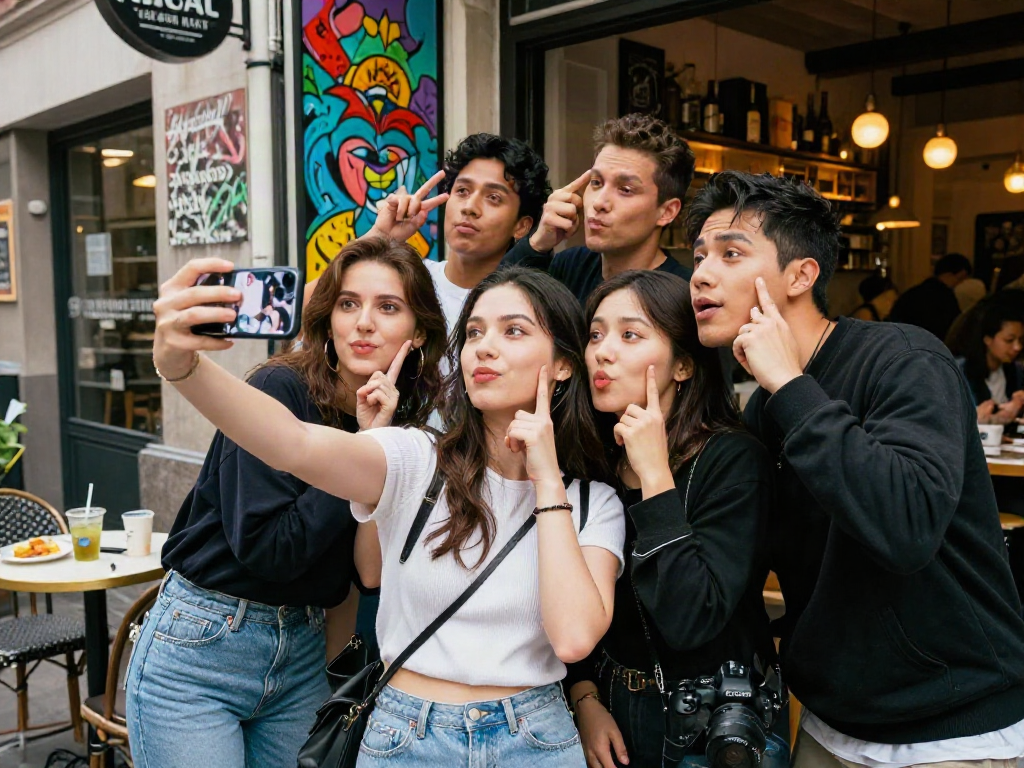
These applications also foster social interaction. Users often invite friends to join in the fun, share their results, and even challenge one another to find better or more unusual matches. This social element can spark creativity, as friends create humorous narratives around their lookalikes and share them as part of their social media presence.
Entertainment Value: Sharing and Engaging with Friends
The shareability of look alike app results adds to their entertainment value. Users frequently post their results on platforms like Instagram and Twitter, resulting in organic conversations and engagement. This fun aspect of technology promotes community, as users connect over shared experiences and perceptions regarding celebrity culture.
Challenges and Limitations of Celebrities Look Alike Apps
Despite their popularity, celebrities look alike apps also face several challenges and limitations that cannot be overlooked.
Addressing Privacy Concerns in Facial Recognition
One pressing issue is the privacy implications of using facial recognition technology. Users often remain unaware of how their images are processed and stored. Ensuring data privacy and security is paramount, which highlights the need for companies to prioritize transparent data usage policies.
Potential Misconceptions from Look Alike Comparisons
Another challenge is the potential for misconceptions that arise from the results. Users may misunderstand what a match signifies, leading to inflated self-perceptions or unrealistic standards regarding beauty and identity. It is essential for apps to provide context around the results to mitigate these misunderstandings.
Technical Limitations in Facial Recognition Accuracy
Technical limitations can also impact user satisfaction. While advancements in AI have improved accuracy, no algorithm is flawless. Variations in lighting, angles, and facial expressions can lead to mismatches. Developers must continually refine their technology to enhance accuracy and reliability.
The Future of Celebrities Look Alike Technology
The future of celebrities look alike technology holds significant promise as innovations continue to advance this field.
Trends to Watch in Facial Recognition Advancements
Emerging trends indicate a growing integration of augmented reality (AR) technology within look alike apps. This technology could allow users to visualize themselves as their celebrity counterparts in real-time, enhancing the user experience and engagement.
Predicting User Preferences in 2026 and Beyond
As user preferences evolve, there may be a shift towards more personalized experiences. Future apps may offer tailored suggestions based on user behavior, preferences, and even demographic information, creating a more engaging and targeted user experience.
Industry Insights from Leading App Developers
Industry experts predict an increase in the democratization of technology, allowing smaller developers to create niche applications that cater to specific audiences. These developers can drive innovation and competition, pushing giants to adopt new features and functionality.
How Accurate Are Celebrity Pairings?
The accuracy of celebrity pairings remains a hot topic of discussion. While many users enjoy the novelty of the results, the actual resemblance can vary widely. Future iterations of these apps may employ improved algorithms to enhance match accuracy, making the technology even more compelling.
What are the Ethical Implications of Look Alike Apps?
Ethical implications surrounding the use of facial recognition technology need exploration. Considerations include consent, data handling, and the social impact of celebrity comparisons. Developers must approach these issues responsibly to build trust with users.
Can These Apps Help Users Discover New Trends?
Lastly, look alike apps can also serve as trendsetters in various contexts, such as fashion and beauty. By analyzing popular matches, brands may identify rising trends among consumers, thereby influencing marketing strategies and product development.