Understanding the Scissor Lift
What is a Scissor Lift?
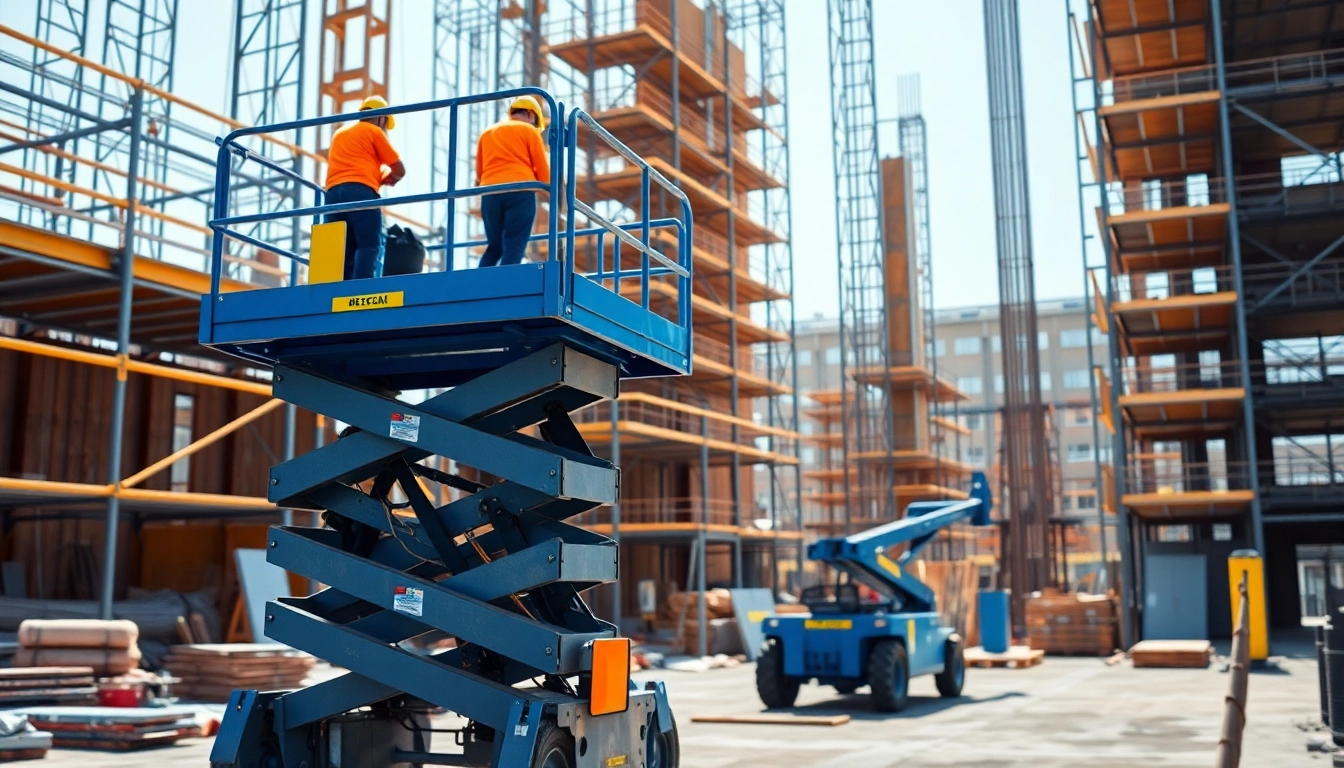
A scissor lift is a type of aerial work platform known for its vertical lifting mechanism that uses crisscrossed supports, resembling a pair of scissors. This design allows the platform to raise and lower in a stable manner, making it ideal for tasks that require height accessibility. Scissor lifts generally come in two versions: electric and rough terrain, catering to different operational needs and environments.
Key Features of a Scissor Lift
Scissor lifts boast several important features that enhance their functionality:
- Height Adjustment: Most scissor lifts can reach heights ranging from 10 to 70 feet, making them versatile across various job sites.
- Safe Working Load: They are designed to support multiple workers along with materials, with load capacities typically between 500 and 1,500 pounds.
- Stability: The crisscross design ensures stability even at full height, which minimizes the risk of tilting or swaying.
- Maneuverability: Many models have compact designs that allow them to fit through doorways and navigate tight spaces.
Common Uses for Scissor Lifts
Scissor lifts are used extensively across various sectors, including:
- Construction: For raised work platforms during the installation of ceilings, drywall, and lighting.
- Maintenance: Ideal for cleaning or repairing buildings, especially for high facades.
- Warehouse Operations: Used to access high storage areas to retrieve or place goods.
- Events and Staging: Frequently used for stage setup or rigging in entertainment settings.
Benefits of Using a Scissor Lift
Increased Efficiency and Productivity
The primary advantage of using a scissor lift is the significant boost in job efficiency. By providing easy access to elevated areas, workers can complete tasks faster without relying on ladders or scaffolding. This improved accessibility leads to quicker project turnovers and less downtime, making it a worthwhile investment for many businesses.
Enhanced Safety on the Job Site
Safety is paramount in any work environment, and scissor lifts offer several safety features such as guardrails, emergency stop buttons, and outriggers for added stability. The design of scissor lifts minimizes the risk of fall-related injuries, presenting a safer alternative to traditional ladders and scaffolds, which are more prone to accidents.
Cost-Effectiveness Compared to Other Lifts
When compared to other types of aerial lifts, scissor lifts are often more cost-effective due to their simpler mechanical design, which leads to lower maintenance costs. Additionally, rental options are widely available, allowing projects to access the equipment they need without a significant upfront investment, making scissor lifts a financially savvy choice for many businesses.
Choosing the Right Scissor Lift
Types of Scissor Lifts Available
Several types of scissor lifts are available, each designed for specific applications:
- Electric Scissor Lifts: Best suited for indoor environments due to their minimal noise and emissions, making them ideal for tight spaces.
- Rough Terrain Scissor Lifts: Designed for outdoor use, these lifts have larger tires and enhanced traction for navigating uneven surfaces.
- Compact Scissor Lifts: Smaller models that fit through standard doorways, suitable for indoor projects.
Factors to Consider When Renting
When renting a scissor lift, consider the following factors:
- Project Needs: Assess the height and load requirements specific to your project.
- Site Conditions: Determine whether the lift will be used indoors or outdoors to choose the correct model.
- Rental Duration: Decide between short-term or long-term rentals based on project timelines.
Size and Weight Capacity Options
Choosing the correct size and weight capacity is crucial for safe operation. Scissor lifts come with a variety of platform widths and maximum load ratings. Consider the number of persons and equipment that will be on the lift to ensure compliance with safety standards, optimizing performance while minimizing risks.
Operating a Scissor Lift Safely
Essential Safety Guidelines
To operate a scissor lift safely, adhere to the following guidelines:
- Always inspect the lift before use, checking for any mechanical issues.
- Ensure workers wear appropriate personal protective equipment (PPE), including helmets and harnesses.
- Never exceed the load capacity specified by the manufacturer.
- Maintain proper awareness of surroundings to avoid overhead obstructions.
Training and Certification Requirements
Operators typically require training and certification to operate scissor lifts. Courses often cover topics such as equipment inspection, safe operational procedures, and emergency measures. A properly trained operator can help prevent accidents and maximize productivity on the job site.
Common Mistakes to Avoid
Prevent accidents and ensure safety by avoiding these common mistakes:
- Ignoring the weight capacity limits, leading to overturning.
- Failing to conduct pre-operation inspections, which could overlook potential hazards.
- Neglecting to use outriggers on uneven ground, compromising stability.
FAQs About Scissor Lifts
How high can a scissor lift go?
Scissor lifts can reach heights ranging from 10 to 70 feet, depending on the specific model and design.
What are the different types of scissor lifts?
Common types include electric, rough terrain, and compact scissor lifts, each tailored for specific work environments.
How to determine the right size scissor lift for my project?
Assess your project needs by evaluating height requirements and load capacity. Ensure the lift can accommodate both personnel and materials.
Are scissor lifts cost-effective?
Yes, scissor lifts are often cost-effective due to lower maintenance needs and rental options, making them accessible for various budgets.
Do I need training to operate a scissor lift?
Yes, training and certification are usually required to ensure safe operation and compliance with industry regulations.