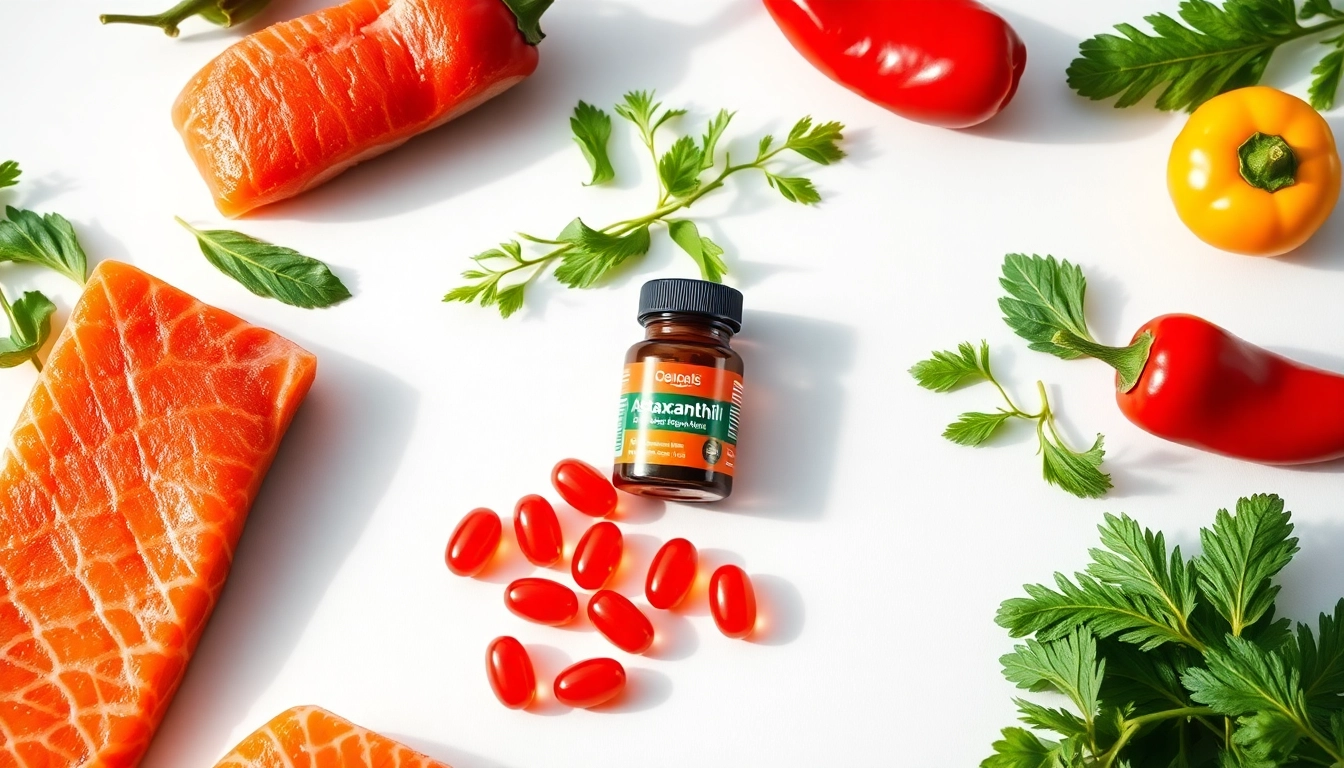
Understanding Astaxanthin
What is Astaxanthin?
Astaxanthin is a powerful carotenoid pigment primarily found in microalgae, certain seafood, and some plants. Recognized for its vibrant reddish color, astaxanthin is distinct from other antioxidants due to its unique molecular structure, which allows it to perform multiple functions at cellular levels. It has garnered attention in the health and wellness community for its potential benefits supporting skin, eye health, heart health, and overall well-being.
Benefits of Astaxanthin
Astaxanthin is celebrated not only for its vivid color but also for its extensive health benefits. Some of the most notable advantages include:
- Antioxidant properties: Astaxanthin is renowned for its antioxidant capacity, which can protect cells from oxidative stress and free radical damage.
- Skin health: Regular intake may improve skin elasticity, moisture levels, and overall appearance, promoting healthier, more radiant skin.
- Eye health: Research suggests that it can help reduce the risk of eye diseases by protecting the retina and improving visual acuity.
- Anti-inflammatory effects: Astaxanthin can mitigate inflammation, potentially aiding in the management of chronic diseases linked to inflammation.
- Physical performance: Athletes and fitness enthusiasts tout astaxanthin for enhancing endurance, reducing muscle soreness, and improving recovery times.
Sources of Astaxanthin
You can naturally obtain astaxanthin from various dietary sources. Rich food sources include:
- Microalgae: The primary source of astaxanthin, particularly Haematococcus pluvialis.
- Seafood: Salmon, shrimp, krill, and lobster are excellent sources of astaxanthin.
- Supplemental forms: Astaxanthin can also be taken in a concentrated form as a dietary supplement, providing a more potent source than that typically available through diet.
Recommended Astaxanthin Dosage
Daily Dosage Guidelines
When considering astaxanthin supplementation, understanding the recommended astaxanthin dosage is essential for ensuring safety and effectiveness. Clinical studies have established different dosage ranges based on specific health outcomes:
- General Health: A common dosing range for health maintenance is between 4mg to 12mg per day, with 6mg frequently cited as a standard starting point.
- Skin Health: For targeted effects on skin health and anti-aging, dosages typically range from 6mg to 12mg per day.
- Eye Health: Studies suggest a similar dosage range, prioritizing around 6mg daily to meet particular eye health needs.
- Physical Performance: Athletes often consume 12mg, particularly post-exercise, to enhance recovery.
Dosage Variations for Specific Goals
The appropriate astaxanthin dosage can depend significantly on individual health goals and conditions. For instance:
- Inflammatory Conditions: Individuals seeking anti-inflammatory benefits may find success with doses at the higher end of the spectrum, closer to 12mg daily.
- Joint Health: For those looking to alleviate joint pain or enhance mobility, studies generally recommend starting with 8mg to 12mg daily.
- Eye Strain and Fatigue: Dosages around 4mg to 8mg may provide relief for individuals experiencing eye strain from prolonged screen usage.
Consulting Healthcare Providers
Before starting any new supplement regimen, especially with astaxanthin, it is advisable to consult healthcare professionals. They can offer personalized guidance to ensure that the dosage aligns with your health status and goals.
Factors Influencing Dosage
Age and Health Conditions
As we age, our bodies may require different levels of nutrients and supplements like astaxanthin. Older adults may benefit more from higher dosages due to increased oxidative stress and inflammation. Additionally, those with pre-existing health conditions may require a tailored dosage strategy.
Product Formulations
The form in which you take astaxanthin can influence its effectiveness. Available in softgels, capsules, or liquid formats, the bioavailability may vary based on the formulation and additional ingredients present in the product.
Dietary Considerations
Your overall dietary habits can also impact the effectiveness of astaxanthin supplementation. A diet rich in fatty acids, fruits, and vegetables may enhance the absorption of astaxanthin, while a deficiency in certain nutrients might necessitate adjusting dosages.
Potential Side Effects and Safety
Common Side Effects
While astaxanthin is generally considered safe for most individuals, some may experience mild side effects, such as:
- Stomach upset or gastrointestinal discomfort.
- Skin discoloration in high doses.
- Headaches or dizziness at elevated intake levels.
Drug Interactions
Astaxanthin has not shown significant interactions with most medications, but it is crucial to inform your healthcare provider about all supplements and medications you are taking. Certain blood thinners and immunosuppressants may warrant caution.
Recommended Safety Practices
To ensure the safe supplementation of astaxanthin, consider adhering to these guidelines:
- Start with the lower end of the dosage range and adjust based on individual response.
- Always choose high-quality supplements from reputable sources.
- Stay informed on current research and recommendations regarding astaxanthin use.
FAQs About Recommended Astaxanthin Dosage
What is the average dosage for beginners?
For beginners, a common starting dosage is around 4mg to 6mg per day to assess tolerance and effectiveness.
Is there a maximum recommended intake?
While most studies suggest a safe upper limit of 12mg to 24mg daily, always consult a healthcare provider before exceeding standard recommendations.
Can children take astaxanthin?
There is limited research on astaxanthin use in children. Consultation with a pediatrician is essential before considering supplementation for minors.
How long should I take astaxanthin?
Astaxanthin can be taken continuously for several weeks to months, but it's wise to periodically reassess its necessity and dosage with a healthcare provider.
Are there any specific dietary requirements?
No specific dietary requirements exist for astaxanthin, but consuming it with healthy fats can enhance absorption.