Understanding the Need for Alternatives to QOVES
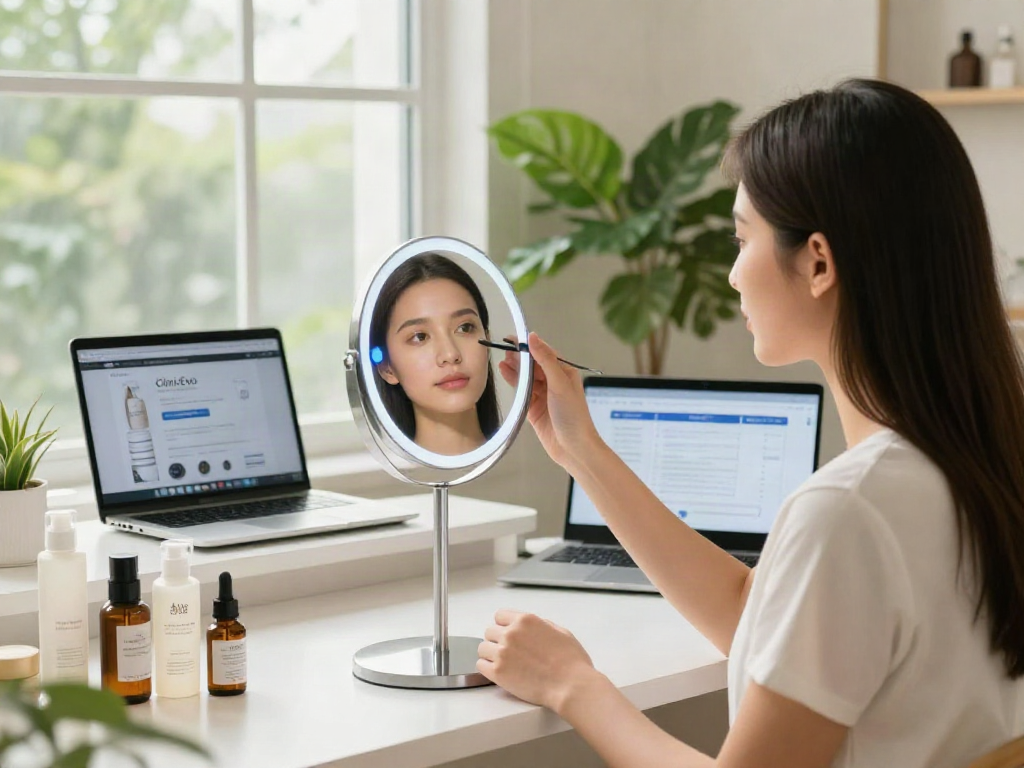
The beauty and aesthetic analysis industry has evolved significantly, with a plethora of services catering to individuals seeking to enhance their looks through technology and expert insights. As people become more conscious of their appearance and the ever-changing trends in beauty standards, the demand for effective facial analysis tools has skyrocketed. While QOVES presents an attractive solution with its $150 per year membership, which includes a personalized protocol and visuals within 28 days, many users are beginning to explore Alternatives to QOVES. These alternatives promise to offer a variety of features that may better suit individual needs and budgets.
Why Consider Facial Analysis Services?
Facial analysis services provide a unique advantage in understanding one’s facial aesthetics. They utilize advanced algorithms and trained specialists to assess various features like symmetry, proportions, and skin quality. For many individuals, such services can offer insights that traditional beauty consultations may lack. This is important for anyone looking to make informed decisions about cosmetic procedures, skincare routines, or general beauty improvements.
Common Limitations of Traditional Services
Conventional beauty consultations typically rely on subjective opinions rather than data-driven insights. This can result in inconsistent recommendations, which may not align with a client’s preferences or expectations. Additionally, many traditional services do not leverage technology to provide real-time feedback, often leaving clients unsure about the potential results of certain beauty treatments.
Benefits of Exploring AI-Based Solutions
AI-based facial analysis tools, like those provided by various apps and platforms, present numerous advantages. They can deliver immediate assessments, personalized recommendations, and ongoing tracking of progress. The integration of AI provides a more dynamic and responsive approach to beauty improvement. Users can receive recommendations tailored to their unique facial structures and beauty goals, making the process more relevant and effective.
Overview of Popular Alternatives to QOVES
With the increasing demand for facial analysis services, several alternatives to QOVES have emerged, each offering distinctive features and pricing structures. Understanding these options can help users make informed choices based on their specific needs.
Comparative Analysis of Key Services
- ClinicEvo: This service stands out due to its combination of AI analysis and human review. Priced at $12 per month, ClinicEvo provides a comprehensive report reviewed by trained aesthetics specialists within five business days.
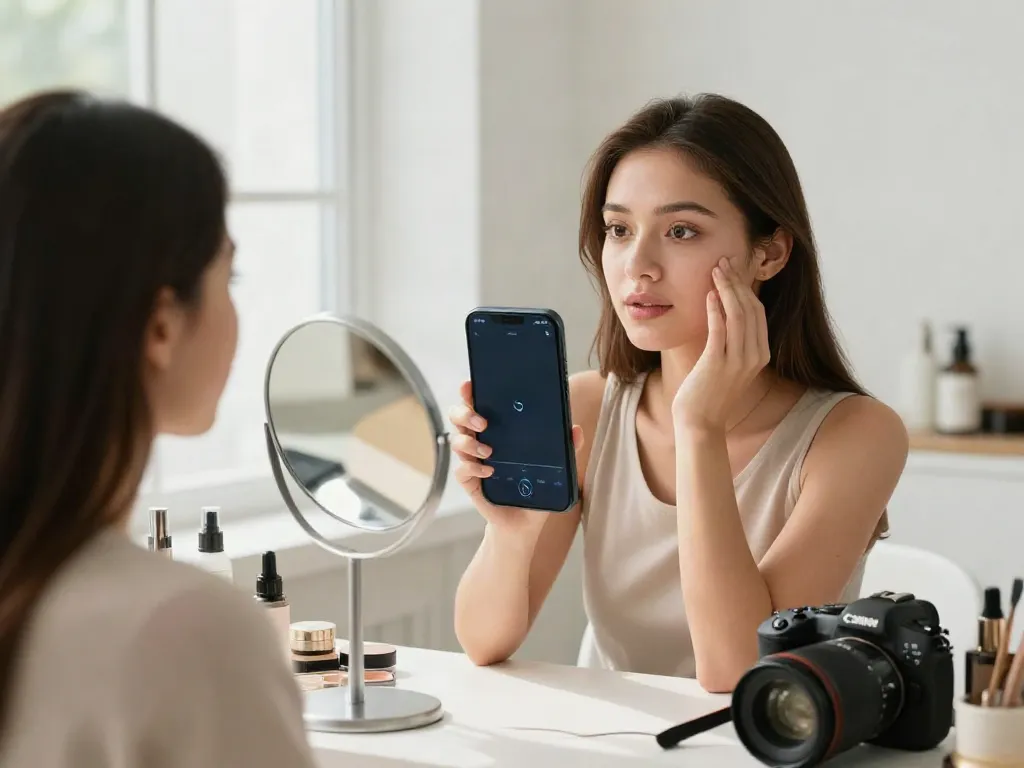
- Umax: An application that rates selfies using AI to suggest beauty enhancements. With a focus on providing users with immediate feedback, Umax is ideal for those seeking quick evaluations.
- LooksMax AI: This platform uses AI technology to deliver an attractiveness rating alongside grooming, skincare, and hairstyle suggestions. It’s straightforward and easy to use, catering to a tech-savvy audience.
- PrettyScale: A free platform that calculates a beauty score based on automated algorithms. While it lacks personalized recommendations, it serves as a quick resource for users curious about their appearance.
- FaceRate.ai: Similar to PrettyScale, this free service evaluates faces based on aspects such as the golden ratio and symmetry, giving users a score out of 10.
Service Features and Pricing Overview
When evaluating alternatives to QOVES, pricing is a key factor. Unlike QOVES, which provides an annual membership of $150, ClinicEvo offers a monthly subscription model that can bring annual costs to approximately $144. Instant-score apps like PrettyScale and FaceRate.ai provide free options, whereas Umax and LooksMax AI may require small fees, especially for premium features.
User Experience Insights: What to Expect
Each of these services comes with unique user experiences. For example, ClinicEvo’s human-reviewed reports provide a depth of analysis that instant-score apps may not match. Users of Umax and LooksMax AI can expect a more interactive platform, with immediate feedback and suggestions. However, those relying on free platforms may find their experiences limited to basic scoring without detailed reports.
Evaluating Key Features of Facial Analysis Apps
The selection of a facial analysis service should hinge on multiple factors, including the depth of analysis and the comprehensiveness of the user experience. Below are critical features to consider.
Human Review vs. Automated Analysis
The distinction between services featuring human reviews and those relying solely on automated analysis can significantly affect the quality of feedback provided. Services like ClinicEvo emphasize the importance of human expertise in their evaluation process, which may yield more nuanced recommendations compared to purely algorithm-driven platforms.
Understanding Beauty Scoring Systems
Many facial analysis apps use specific scoring systems based on standards of beauty, often determined by symmetry, proportions, and other aesthetic criteria. Understanding how these scores are derived can help users interpret their results more meaningfully. Free services like PrettyScale may utilize simpler algorithms, whereas more comprehensive platforms may explain their scoring methodology in detail.
Ongoing Progress Tracking and Support
To maximize the benefits of a facial analysis service, ongoing tracking and support are essential. Users should consider whether the service provides any follow-up analyses or updated recommendations as they implement suggested changes. For instance, ClinicEvo offers continuous monitoring of progress, while other more simplistic apps may not provide such features.
Choosing the Right Service for Your Needs
Choosing the best facial analysis service requires careful consideration of personal goals, budget, and expected outcomes. Each user’s circumstances will dictate what features are most relevant to their beauty journey.
Determining Your Personal Goals and Preferences
Before committing to a service, users should reflect on their aesthetic goals. Are they looking for comprehensive aesthetic plans, quick scores, or basic insights? Understanding personal motivations can lead to more satisfying choices amongst the available alternatives.
Understanding Pricing Models for Subscriptions
Pricing structures can vary considerably between providers. While QOVES charges a flat annual rate, many alternatives offer monthly subscriptions, allowing users to test the service without a long-term commitment. It’s important to read the fine print regarding cancellation policies and potential hidden costs.
Exploring Free Trials and Risk-Free Options
Several services offer free trials or limited-time evaluations, allowing potential users to gauge the effectiveness of the service before making any financial commitments. Exploring these options can be a prudent approach, particularly for those new to facial analysis tools.
Future Trends in Facial Analysis Technology
As technology continues to evolve, so do the capabilities of facial analysis applications. The future is likely to bring advancements that will enhance user experiences and satisfaction.
Predictions for the Industry by 2026
The facial analysis industry is anticipated to witness innovations such as more sophisticated AI algorithms that incorporate machine learning to provide increasingly accurate analyses. Enhanced personalization features and integration with other health and beauty technologies may also emerge.
Emerging Features to Look for in New Applications
Future applications might include augmented reality (AR) to visualize potential changes in real life, allowing users to see how recommendations might look on their faces before committing to any changes.
Expert Insights on Cosmetic Technology Innovations
With the rise of cosmetic technology, experts emphasize the importance of combining aesthetic science with technology to provide users with evidence-based recommendations. Services that can effectively integrate these fields will likely set themselves apart in the competitive landscape.
What Are the Common Concerns About AI in Beauty?
While AI holds tremendous potential in beauty applications, concerns related to data privacy, algorithm bias, and the reliance on machine-generated insights over human expertise persist. Users should consider these factors critically when selecting a service.
Is There a Free Version of QOVES?
While QOVES does not offer a free version, users may find similar evaluation services that are entirely free, such as PrettyScale and FaceRate.ai, which can provide basic insights without any financial commitment.
What is the Most Accurate Face Rater?
The accuracy of face rater apps can vary significantly based on the algorithms used and the underlying data. Users should read reviews and possibly experiment with several apps to determine which ones best align with their expectations for accuracy.
How Much Does a QOVES Analysis Cost?
The standard cost for a QOVES analysis is $150 per year, which includes a full assessment and personalized recommendations delivered within 28 days. However, many alternatives provide varying pricing structures that may offer more flexibility.