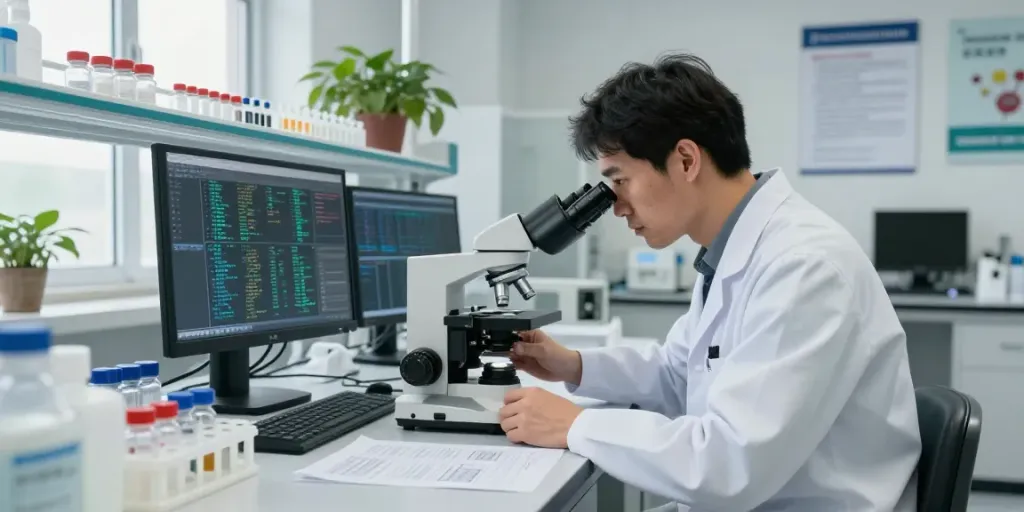
Understanding Cancer Biobanks
Cancer biobanks are essential repositories that collect, store, and provide access to biological samples and associated data for cancer research. These biobanks enable researchers to study cancer at a molecular level, helping to identify new treatments and improve patient outcomes. As the landscape of cancer research evolves, the role of these biobanks becomes increasingly vital in bridging the gap between clinical insights and scientific discovery. For comprehensive insights into Cancer biobanks, understanding their structure, function, and impact is crucial.
What Are Cancer Biobanks?
Cancer biobanks are specialized facilities that collect and manage biological samples, including tissues, blood, and other bodily fluids, from cancer patients and healthy individuals. These samples are meticulously annotated with clinical and demographic data, creating a rich resource for researchers. The primary goal of cancer biobanks is to facilitate the study of cancer biology, including the mechanisms of tumor development, progression, and response to therapy. Through biobanking, researchers can conduct genetic studies, biomarker discovery, and epidemiological research aimed at understanding cancer etiology.
The Importance of Cancer Biobanks in Research
The significance of cancer biobanks cannot be overstated. They serve as a backbone for modern cancer research by providing high-quality biospecimens that enable some of the most groundbreaking studies in oncology. By allowing researchers to access diverse samples, biobanks play a crucial role in identifying genetic and environmental factors that contribute to cancer development. Furthermore, they support clinical trials and help in validating diagnostic tests and therapeutic targets.
Types of Samples Collected in Cancer Biobanks
Cancer biobanks collect a variety of sample types that are crucial for research. The most common include:
- Tissue Samples: These include tumor biopsies and surrounding healthy tissues that allow researchers to compare cancerous and non-cancerous cells.
- Blood Samples: Blood is often used to analyze circulating tumor cells (CTCs) and DNA, enabling the study of cancer genetics and the development of liquid biopsies.
- Biofluids: Other fluids, such as saliva or urine, can provide valuable insights into biomarkers for early detection and monitoring of cancer progression.
The Role of Cancer Biobanks in Personalized Medicine
The advent of personalized medicine has transformed the approach to cancer treatment, emphasizing the need for tailored therapies based on individual patient profiles. Cancer biobanks are at the forefront of this evolution, providing the necessary materials for developing personalized interventions.
How Biobanks Support Tailored Treatments
Cancer biobanks contribute significantly to personalized medicine by allowing researchers to analyze the genetic makeup of tumors. This information helps to identify specific mutations that can be targeted with customized therapies. By linking biological samples with extensive clinical data, biobanks enable oncologists to predict which treatments will be most effective for individual patients, thus optimizing therapeutic outcomes.
Case Studies: Successful Applications of Biobank Research
One notable case study involves the use of biobank samples to develop targeted therapies for breast cancer. Researchers analyzed tumor samples from biobanks to identify genetic mutations associated with treatment resistance. As a result, they were able to develop targeted therapies that significantly improved patient survival rates. Another example comes from lung cancer research where biobank-derived data led to the identification of biomarkers that predict response to immunotherapy, revolutionizing treatment protocols for this aggressive cancer type.
Challenges in Implementing Personalized Medicine
Despite the promising potential of personalized medicine facilitated by biobanks, several challenges remain. These include:
- Data Standardization: Variability in how samples are collected, processed, and stored can affect research outcomes.
- Ethical Concerns: The use of human samples for research raises significant ethical questions around consent and the ownership of biological materials.
- Funding and Resources: Maintaining biobanks and supporting research initiatives require substantial financial investment and resources.
Ethical Considerations in Cancer Biobanking
As biobanking becomes more integral to cancer research, ethical considerations gain prominence. Ensuring that research complies with ethical standards protects patients' rights and fosters public trust in the research community.
Informed Consent and Patient Rights
Informed consent is a cornerstone of ethical biobanking practices. Patients must be fully informed about how their samples will be used, including potential risks and benefits. Transparency in the consent process ensures that participants feel respected and valued in their contributions to cancer research.
Data Privacy and Security in Biobanks
Protecting the privacy of individuals who donate samples is paramount. Biobanks must implement stringent data security measures to prevent unauthorized access to sensitive information. This includes de-identifying samples and adhering to regulations such as HIPAA (Health Insurance Portability and Accountability Act) to safeguard personal health information.
Ethical Guidelines for Researchers
Researchers utilizing biobank samples are expected to adhere to established ethical guidelines, which ensure that studies are conducted with integrity and respect for all participants. These guidelines encompass aspects such as fair participant treatment, scientific rigor, and transparency in reporting findings.
Future Trends in Cancer Biobanking
The future of cancer biobanking is poised for remarkable advancements influenced by technology and collaborative research efforts. As we look ahead to 2026 and beyond, several trends are emerging that will shape the field.
Technological Advancements Impacting Biobanks
Innovative technologies such as artificial intelligence (AI) and machine learning are revolutionizing how biobanks operate. These technologies can enhance data analysis, improve sample processing, and even aid in identifying novel biomarkers more efficiently. Additionally, automation in biobanking processes can increase accuracy and reduce human error, ultimately leading to better research outcomes.
Expected Developments in 2026 and Beyond
By 2026, we can expect enhanced integration of biobanks with genomic and clinical databases, allowing for a more comprehensive understanding of cancer biology. The rise of multi-omics approaches—combining genomics, proteomics, and metabolomics—will provide deeper insights into cancer mechanisms and treatment responses, paving the way for innovative therapies.
Collaboration Between Biobanks and Research Institutions
Future advancements will likely be driven by collaborative networks between biobanks and various research institutions. Such partnerships can facilitate resource sharing, standardize best practices, and enhance the scale and scope of research initiatives. By pooling resources and expertise, biobanks can amplify their impact on cancer research.
Getting Involved with Cancer Biobanks
For individuals interested in contributing to cancer research, cancer biobanks offer various opportunities for involvement, whether as a patient donor or a researcher.
How Patients Can Contribute to Cancer Research
Patients diagnosed with cancer can play a significant role in advancing research by consenting to donate their biological samples to biobanks. This participation not only aids in the understanding of cancer but also potentially benefits future generations through the development of new treatments derived from their contributions.
Opportunities for Researchers in Biobanking
Researchers in the field of oncology can explore numerous opportunities within biobanks, such as utilizing available samples for their studies or collaborating with biobanks to design specific research projects. These collaborations can enhance the quality and depth of research outcomes, leading to more effective treatments.
Resources for Learning More About Cancer Biobanks
Various organizations and institutions provide resources for individuals interested in learning more about cancer biobanks. Websites like NCI's Biobanking Guide offer extensive information on best practices, ethical considerations, and operational guidance for establishing and utilizing biobanks effectively.
Frequently Asked Questions about Cancer Biobanks
Cancer biobanks often raise numerous questions from prospective donors, researchers, and the public. Addressing these inquiries is crucial for promoting transparency and understanding of biobanks' roles in cancer research.
What Are the Benefits of Cancer Biobanks?
The benefits of cancer biobanks are manifold, as they provide critical resources that facilitate research, foster breakthroughs in treatment, and enhance our understanding of cancer biology. By collecting and preserving biological samples, biobanks play a pivotal role in the development of personalized medicine and targeted therapies, ultimately improving patient outcomes.
How Can I Access Samples from Cancer Biobanks?
Accessing samples from cancer biobanks generally requires collaboration with researchers or institutions involved in ongoing studies. Researchers typically submit proposals outlining their intended use of the samples, which are then reviewed by biobank committees to ensure alignment with ethical standards and research goals.
What Regulations Govern Cancer Biobanks?
Cancer biobanks are subject to various regulations that govern the collection, storage, and use of human biological materials. These include international standards and guidelines, as well as local laws that ensure ethical practices and protect donor privacy. Compliance with these regulations is essential for maintaining the integrity of biobanks and the trust of the public.
How Do Cancer Biobanks Support Community Health?
Cancer biobanks contribute to community health by fostering research that leads to better cancer prevention, early detection, and treatment strategies. By facilitating access to high-quality biospecimens, biobanks help to advance scientific knowledge, ultimately benefiting the communities they serve through improved public health initiatives.
Are There Costs Associated with Utilizing Biobank Samples?
Utilizing biobank samples may involve various costs, including fees for processing and handling samples, as well as costs associated with data management and analysis. These fees are often determined by the specific biobank and the nature of the research project, and it is crucial for researchers to budget accordingly.