What is an Excavator?
Definition and Key Components
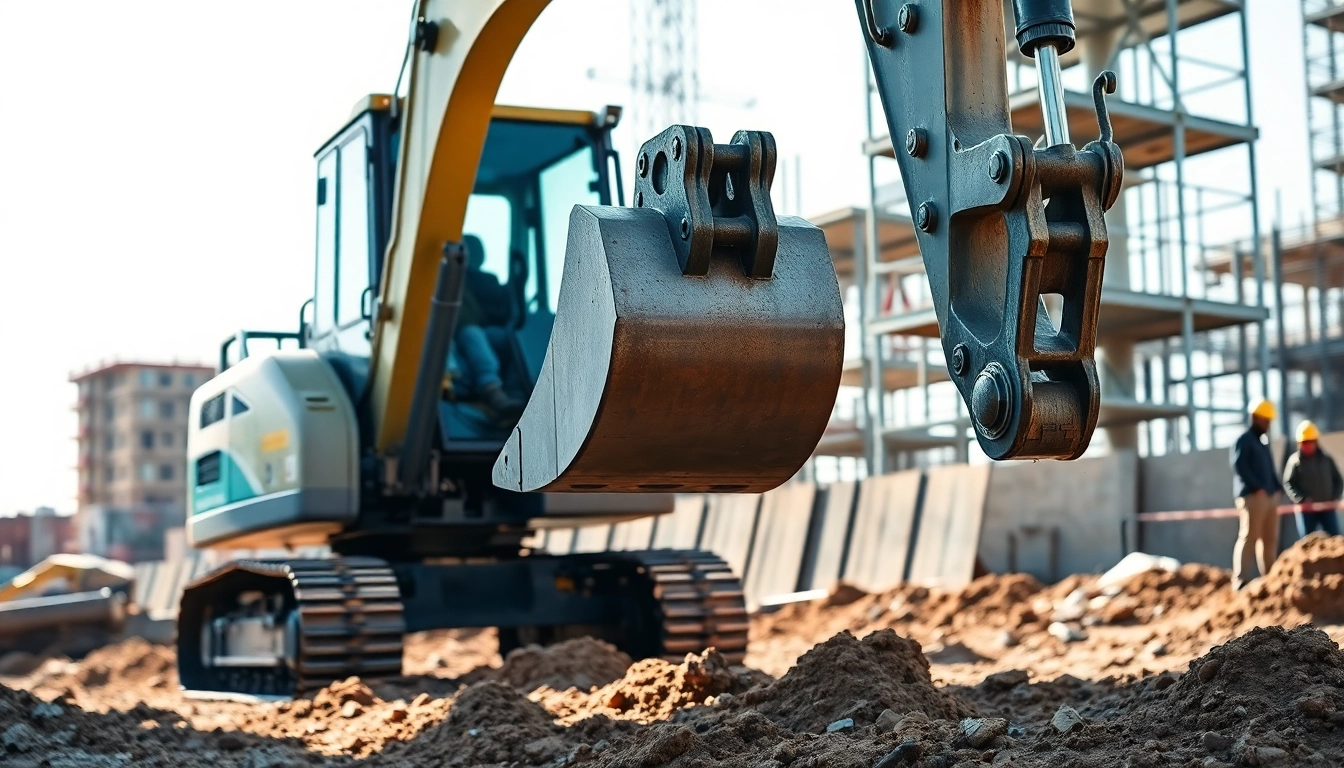
An excavator is a heavy construction machine used primarily for digging and moving large amounts of earth. Comprised of several key components—including the house, arm, bucket, and undercarriage—excavators utilize hydraulic systems to generate high torque for maneuvering and lifting. The house houses the operator's cab and engine, while the arm extends and repositions the bucket for excavation and grading tasks.
Types of Excavators
Excavators come in various types, each optimized for specific tasks:
- Standard Excavators: Features a long arm and bucket suited for deeper digging.
- Mini Excavators: Compact and easily maneuverable, ideal for residential projects and tight spaces.
- Crawler Excavators: Equipped with tracks, providing stability on uneven terrain.
- Wheeled Excavators: Faster and more maneuverable, allowing for quicker movement between job sites.
- Long Reach Excavators: Designed for reaching significant distances, suitable for river dredging and large-scale operations.
Common Uses of Excavators
Excavators are versatile machines with applications extending across multiple industries:
- Construction: Usage for foundational digging and trenching.
- Landscaping: Helpful in grading, digging ponds, and planting trees.
- Mining: Used for extracting minerals from the earth.
- Demolition: Utilized to strip structures and remove debris.
- Road Work: Essential for site prep and paving tasks.
Benefits of Using an Excavator
Efficiency in Construction
Excavators significantly enhance construction efficiency by speeding up tasks that would be labor-intensive if performed by hand. Their hydraulic systems allow for powerful lifting and a wide range of motion, minimizing project timelines and improving productivity.
Versatile Applications
The adaptability of excavators makes them applicable in numerous scenarios beyond mere excavation. With different attachments, they can perform tasks like demolition, grading, and material handling, making them invaluable across different job sites.
Cost-Effectiveness
While the initial investment in an excavator can be significant, their ability to increase productivity ultimately translates to cost savings in labor and time. Additionally, excavators often have a long lifespan with proper maintenance, further enhancing their cost-effectiveness.
Essential Excavator Features
Hydraulic Systems
The hydraulic system is at the heart of an excavator's functionality, providing the force necessary for various operations. This system enables operators to lift heavy loads and maintain precision during digging activities—key aspects in grading and excavation tasks.
Attachments and Customization
Excavators are highly customizable due to a vast selection of attachments. Commonly used attachments include:
- Buckets: Different shapes and sizes for distinct digging tasks.
- Hydraulic Breakers: Used for demolishing walls or breaking rock.
- Grapples: Handy for picking up and moving debris or logs.
- Augers: Ideal for drilling into the ground to create holes.
Safety Features and Ergonomics
Modern excavators integrate various safety features, including ROPS (Rollover Protective Structures) and reinforced cabins to protect operators. Ergonomically designed controls enhance operator comfort, reducing fatigue and maintaining focus during prolonged operations.
Operating an Excavator Safely
Pre-Operation Safety Checks
Conducting thorough pre-operation checks is crucial. Operators should inspect all components, including hydraulic systems, tracks, and fluids, to ensure safe and efficient operation. Additionally, verifying the surrounding area for hazards will minimize the risk of accidents.
Best Practices for Operation
To operate an excavator safely and effectively, operators should be trained and certified. Key practices include maintaining a firm grip on controls, being aware of surroundings, and using proper communication signals when working in teams. This avoids accidents and ensures a smooth workflow.
Common Safety Hazards
Common hazards associated with excavator operation include:
- Overturning: Maintaining a stable base and avoiding excessive lifting can prevent this.
- Falls: Operators must follow safety protocols when accessing the machine.
- Crushing Hazards: Awareness of personnel in proximity to the excavator can reduce risks.
Future Trends in Excavators
Technological Advancements
Excavators are increasingly incorporating technology such as GPS systems, telematics, and remote operation capabilities. These advancements not only enhance precision in excavation but also allow for better fleet management and optimization of activity tracking.
Environmental Considerations
The construction industry is leaning towards environmentally friendly practices, leading to the emergence of electric and hybrid excavators. These machines reduce emissions and lower fuel consumption, aligning with global sustainability initiatives.
Market Trends and Predictions
The excavator market is expected to grow, driven by increasing construction activities in developing regions. Demand for compact and highly versatile excavators will soar as they are suitable for both large and small-scale projects, influencing manufacturers to innovate continually.
FAQs
How much does an excavator cost?
The cost of an excavator varies, typically ranging from $30,000 to $500,000 depending on size and features.
What attachments can be used with an excavator?
An excavator can be equipped with various attachments like buckets, breakers, and grapples for enhanced functionality.
What is the average lifespan of an excavator?
On average, an excavator can last between 7 to 10 years with proper maintenance and care.
Can excavators be used for landscaping?
Yes, excavators are commonly used for landscaping projects, including grading, digging, and planting.
How do you maintain an excavator?
Regular maintenance includes checking fluids, cleaning filters, and inspecting hydraulic systems to ensure optimal performance.